Claude Daily Claude Daily
RSS
田村亮&鈴木奈々 自腹で米国株はじめました【Wealth On (ウェルスオン) 提供】 18 min video 3 slides

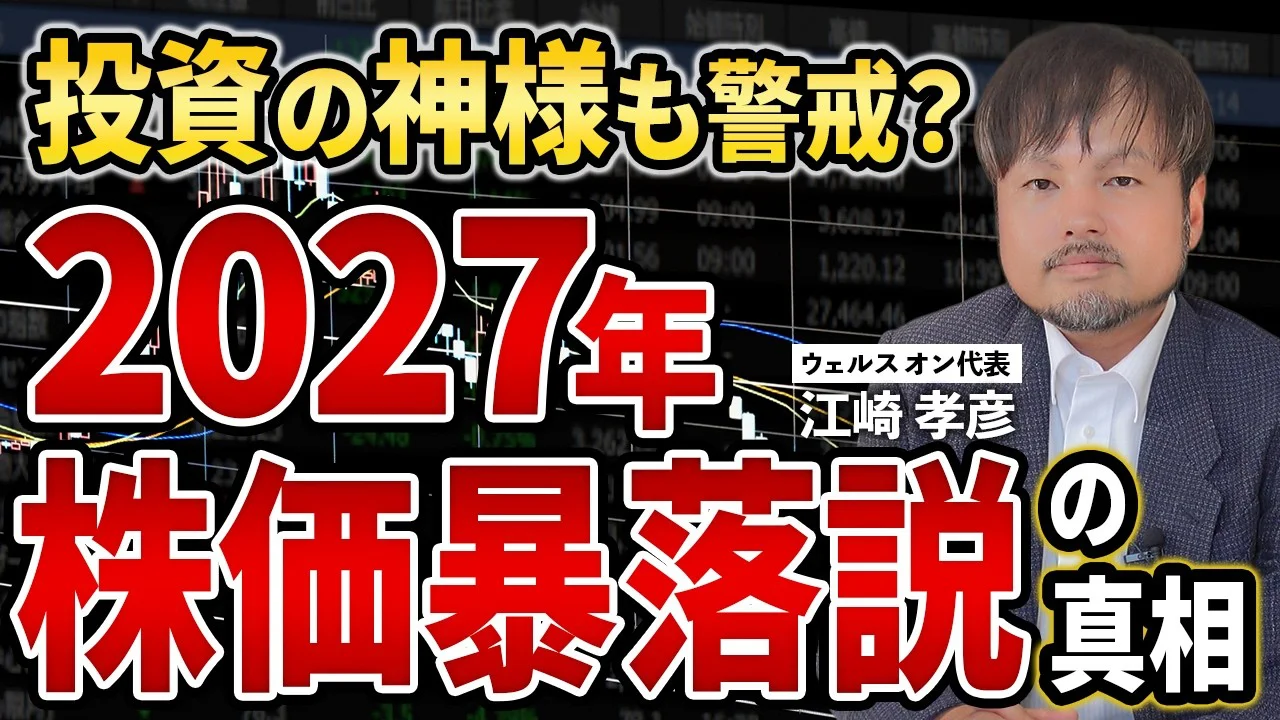
Why SpaceX, OpenAI, and Anthropic Are All Going Public in 2026 — Takahiko Ezaki on the 'Bearish Future' Misread

なぜ2026年にSpaceX、OpenAI、Anthropicの大型IPOが起ころうとしているのか?【江崎孝彦の投資の秘訣 #40】#投資 #米国株 #IPO #上場 #暴落
52,315 views 8 highlights

TL;DR · What you'll learn

  • 1 Analyst and journalist takes that 'Buffett is raising cash, so a crash is coming' are misreadings, says Ezaki. Buffett raising cash isn't a crash prediction.
  • 2 The same misread applies to Anthropic, OpenAI, and SpaceX rushing to go public. It isn't because the future looks bad — it's because they want to raise capital faster.
  • 3 Picks up a question from the previous episode: SpaceX / OpenAI / Anthropic all listing the same year — is it because they expect a stock decline from 2027 on? Episode is built around answering that head-on.
  • 4 The Buffett cash-ratio story. Before the Lehman shock, Buffett's cash ratio was unusually high; then the market dropped 50%. That sequence creates the popular reading that Buffett 'detects' coming crashes.
  • 5 Side note: Buffett stepped down as CEO but didn't actually retire. Still comes in every day, still does stock analysis, still buys stocks. He'll be doing this until he dies — that's just who he is.
  • 6 The structural reason crash-prediction articles get written: humans react more strongly to potential losses than to potential gains. Articles that play that wiring get more clicks. The writer's incentive is misaligned with truth.
  • 7 The actual reason Anthropic / OpenAI / SpaceX are all pushing IPOs at once is simple: they want capital, fast. The three businesses cost enormous amounts of money.
  • 8 There are plans on the table that money would unlock. So this isn't a backward-looking 'better get out before 2027' move — it's a forward-looking capital-raise decision. That's Ezaki's read.

Read as slides

3 slides total

01 Slide 1 / 3
Watch at 00:00

'Buffett's cash ratio = coming crash' is a misread

Takahiko Ezaki, on Wealth On's investment commentary show, addresses why SpaceX, OpenAI, and Anthropic are all queueing up for large IPOs in 2026. He opens by attacking a common analyst trope: 'Buffett's cash ratio is at a historic high, so a crash must be near.'

Ezaki admits he used to read it that way too. Before the Lehman crisis, Buffett's cash was unusually high; then the market dropped about 50%. The pattern looks predictive — that Buffett uses some kind of research to detect coming crashes and raises cash in advance. The actual story is plainer: he wasn't predicting it. And the framing that 'Buffett is retired' is also wrong — he stepped down as CEO but still comes in every day, still does stock analysis, still buys stocks. His cash position reflects how he operates, not a forecast.

Claude Daily 01 / 03
02 Slide 2 / 3
Watch at 09:28

Why crash-prediction articles get written — the loss-sensitivity wiring

The show takes a detour through media incentives. Ezaki uses a vivid analogy. Call someone at 2 am offering a tire at 50% off and they'll yell at you for waking them up. But if someone is outside at 2 am trying to take their tire, they're up and out the door immediately. Loss reactions are far stronger than gain reactions.

Articles that exploit that wiring — 'crash incoming' — get read. From the writer's perspective, that kind of article performs. The incentive doesn't line up with truth. The same logic applies to the 2027 crash narrative. Yes, that scenario is possible (no one knows the future), but reading the synchronised SpaceX / OpenAI / Anthropic IPOs as confirmation of it is the wrong inference. That sets up the actual answer.

Claude Daily 02 / 03
03 Slide 3 / 3
Watch at 10:31

The actual reason — these businesses just need money

Ezaki's answer is anticlimactically simple. SpaceX, OpenAI, and Anthropic are all pushing 2026 IPOs because they want capital fast. The businesses these three operate cost enormous amounts of money. There are plans on the table, and the capital would unlock them.

The counterargument has some weight too. Large IPOs in the same year disperse available capital and lower each company's take — companies don't usually do that. So if they're doing it anyway, the inference goes, it must be because they think 2027 is dangerous. Ezaki acknowledges the logic but doesn't buy the conclusion. His read is that the synchrony reflects how capital-intensive frontier AI and space businesses have become, not a coordinated bet against the market. The show closes on that distinction.

Claude Daily 03 / 03

Editor's Take

Reading the timing of the Anthropic and OpenAI IPOs gets tangled when macro-cycle predictions and pure capital-need stories get fused. Ezaki's separation is operationally useful. The capital required for frontier-model training, data-centre build-outs, and compute infrastructure is no longer reachable by venture rounds; companies queueing up IPOs at the same time is best read as a shared response to that condition. Two reader takeaways. For an AI-industry investor, the right metric isn't SaaS-style revenue growth — it's something more like 'how secure is this company's capital pipeline for the next generation of model training and operations.' For an AI user evaluating these companies as vendors, the relevant concern is how quarterly earnings pressure post-IPO will shape pricing strategy and product choices. Keeping the market-crash prediction out of the analysis is a precondition for cleaner long-term decision-making.

Source

なぜ2026年にSpaceX、OpenAI、Anthropicの大型IPOが起ころうとしているのか?【江崎孝彦の投資の秘訣 #40】#投資 #米国株 #IPO #上場 #暴落

田村亮&鈴木奈々 自腹で米国株はじめました【Wealth On (ウェルスオン) 提供】

なぜ2026年にSpaceX、OpenAI、Anthropicの大型IPOが起ころうとしているのか?【江崎孝彦の投資の秘訣 #40】#投資 #米国株 #IPO #上場 #暴落

Published 6/25/2026 18 min 52,315 views

This article auto-summarizes the YouTube video's transcript with Claude. Please refer to the original video for nuance and exact wording.

Watch on YouTube

Related

3 articles