How Claude Tag Is Reshaping Work: From One Person, One Machine to Whole Teams Working With Claude
TL;DR · What you'll learn
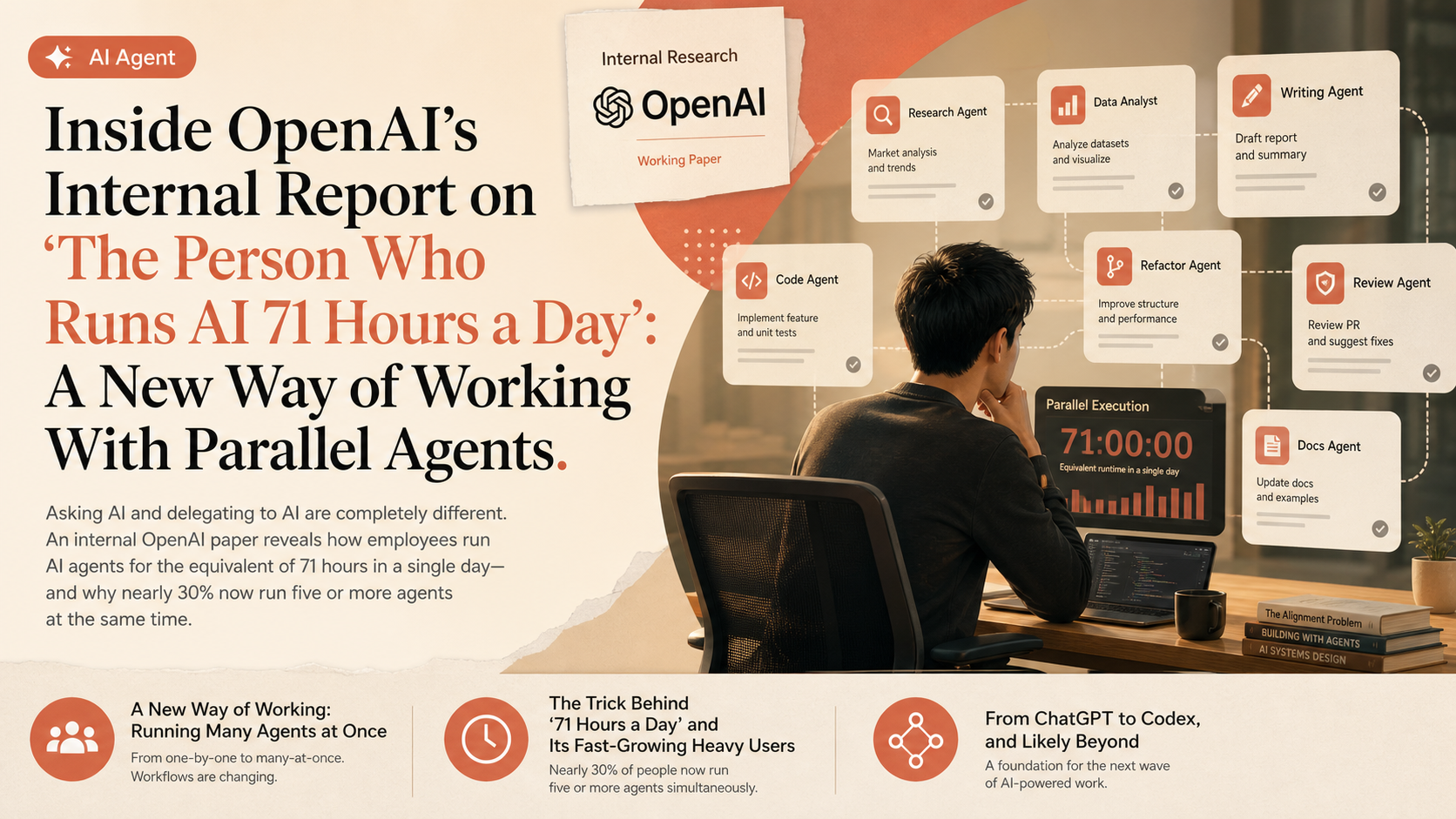
- 1 Three years ago teams were just starting to adopt AI into daily workflows, and two years ago typeahead -- predicting the next character -- was the limit of what AI could do.
- 2 Now Claude Tag can handle entire features, entire experiments end-to-end, and full data analyses -- two genuine leaps in just two years.
- 3 Work has moved from one person typing line by line, through one person running ten Claudes at once, to Claude itself taking initiative and interacting with an entire team.
- 4 Rather than waiting to be asked, Claude Tag proactively jumps in, follows up on work that can take days or weeks, and remembers what it was told for next time.
- 5 From writing pull requests to debugging production issues to running data analyses, Claude Tag takes on these tasks as soon as it's hooked up to the relevant tools.
- 6 Telling it once to 'always respond' is enough for Claude Tag's memory to keep that behavior going -- a genuinely new kind of tool adoption pattern.
- 7 Claude Tag is expanding beyond Slack to platforms like Microsoft Teams, with the goal of keeping every knowledge worker within arm's reach of Claude.
Read as slides
3 slides total
From Typeahead to Writing Whole Features -- Two Leaps in Two Years
Three years ago, when AI was just being folded into daily workflows, the best an engineer could get was typeahead -- predicting the next character or line. Then Claude Code and agents arrived, and coding changed completely.
What started as single-line suggestions evolved into writing whole functions, whole files, whole features -- and now Claude Tag handles entire features and entire experiments end-to-end, including data analysis. That's described as two full leaps in just two years.
From 'One Person, Ten Claudes' to Claude at the Center of the Team
The shift over the past few years has moved from a single person always in the loop, typing line by line, to one person running ten Claudes typing multiple features at once, and now to a stage where Claude itself drives more of the work -- interacting with an entire team rather than a single person.
Rather than the old model of asking Claude to do a task and waiting, Claude Tag proactively decides when to jump in and follows up on work that can take days or weeks. What stands out most is that it remembers what it was told, so it can apply that the next time.
Memory Powers a New Kind of Adoption Pattern
Because Claude Tag operates in public channels, anyone can observe how power users leverage it, and those patterns naturally spread into new projects. Both internally and with customers, Claude Tag best practices are diffusing this way organically.
A telling example: telling it once to 'always respond' is enough for its memory to keep that behavior going indefinitely. Looking ahead, Claude Tag is expanding beyond Slack to platforms like Microsoft Teams, with the goal of keeping every knowledge worker within arm's reach of Claude.
Editor's Take
What this shows is that agentic AI is moving past individual productivity gains and into a redesign of how teams collaborate as a unit. Having Claude Tag operate in public channels, where power-user patterns naturally propagate, is a clever way to turn tool adoption friction into organizational learning. The shift from one person running ten Claudes to Claude itself sitting at the center of a team will force organizations to rethink who approves what. As this expands beyond Slack to other platforms, expect the pattern to spread across more roles and industries.
Source
Claude
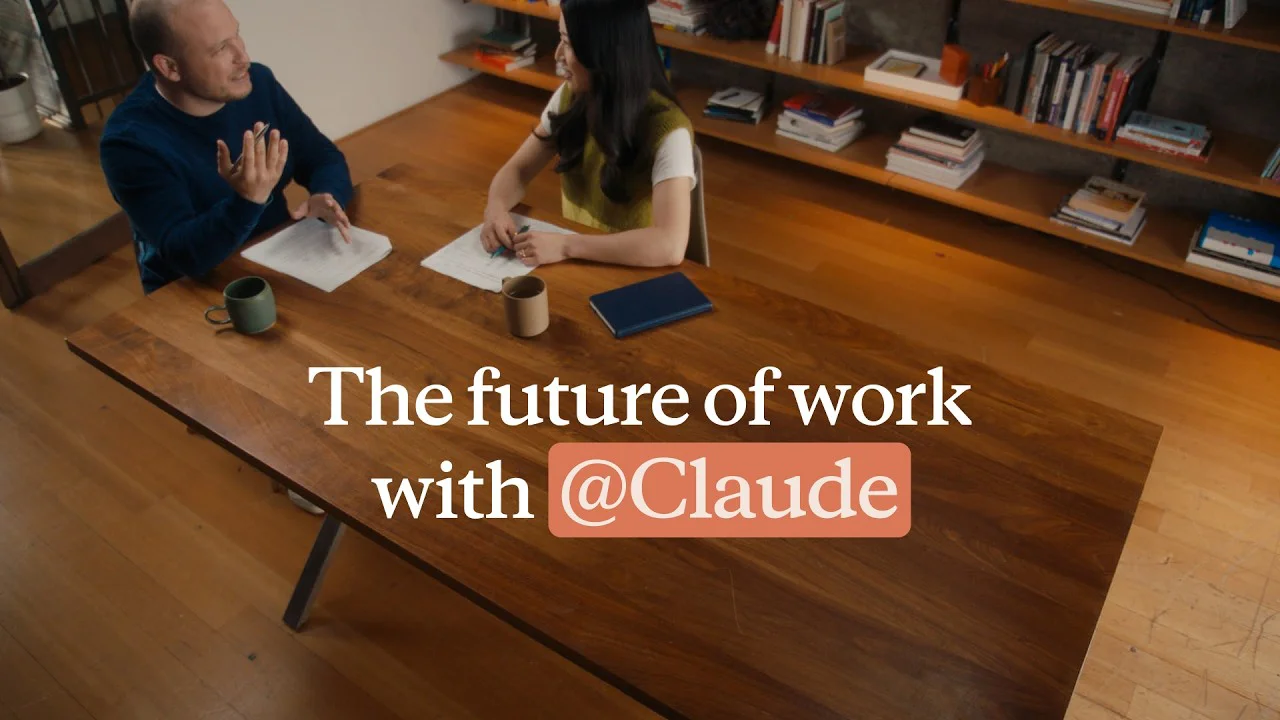
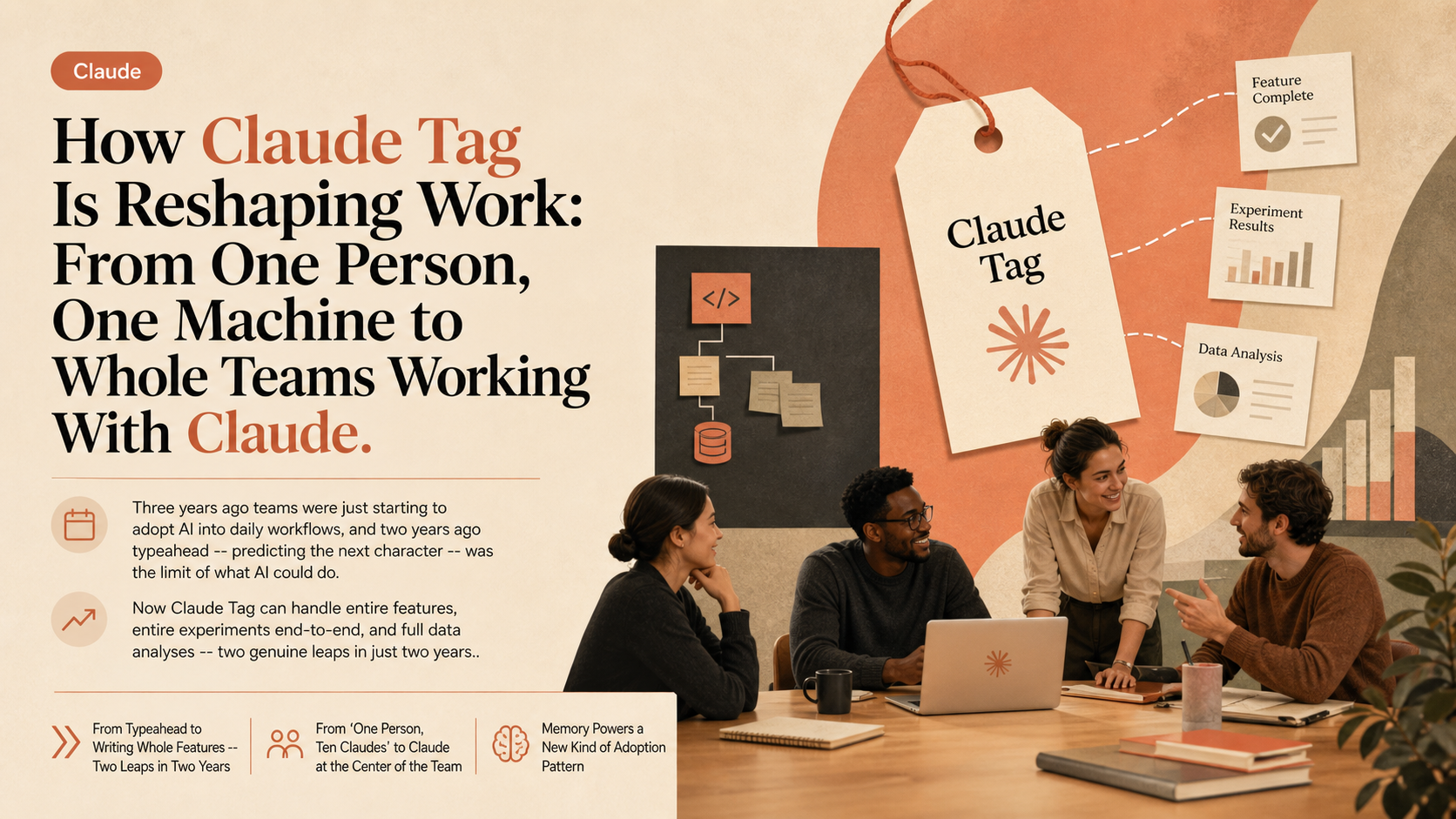
The future of work with @Claude
This article auto-summarizes the YouTube video's transcript with Claude. Please refer to the original video for nuance and exact wording.
Watch on YouTube →Related
3 articles
いけともch
Inside OpenAI's Internal Report on 'The Person Who Runs AI 71 Hours a Day': A New Way of Working With Parallel Agents
Asking AI and delegating to AI are completely different, the video argues, introducing an internal OpenAI paper analyzing employees who run AI agents for the equivalent of 71 hours in a single day.
パソコン博士TAIKI
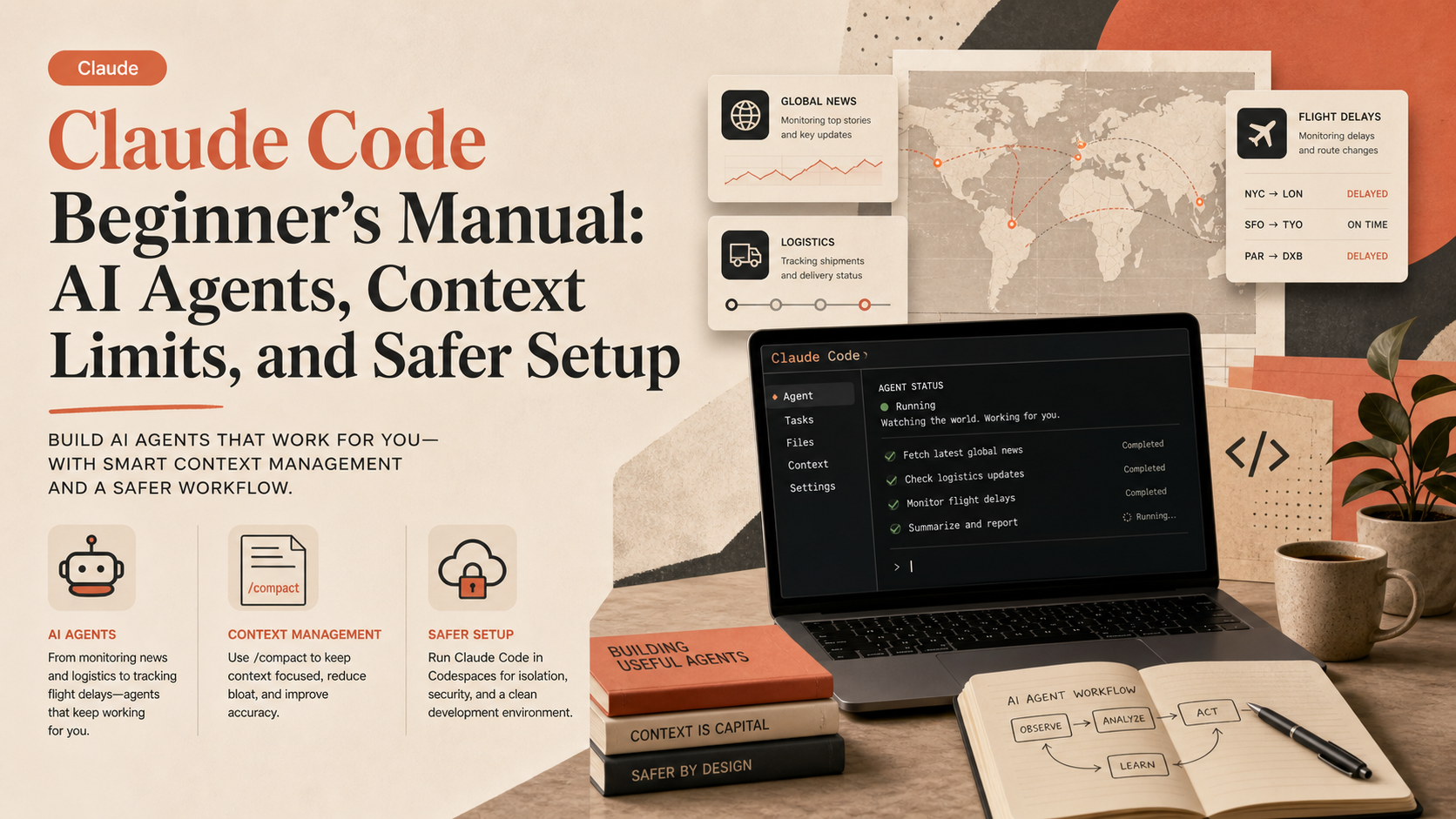
Claude Code Beginner's Manual: AI Agents, Context Limits, and Safer Setup
The opening shows Claude Code monitoring global news, logistics, and even flight delays, presenting it as a working agent rather than just a chat AI.
Duncan Rogoff | Learn Claude Code
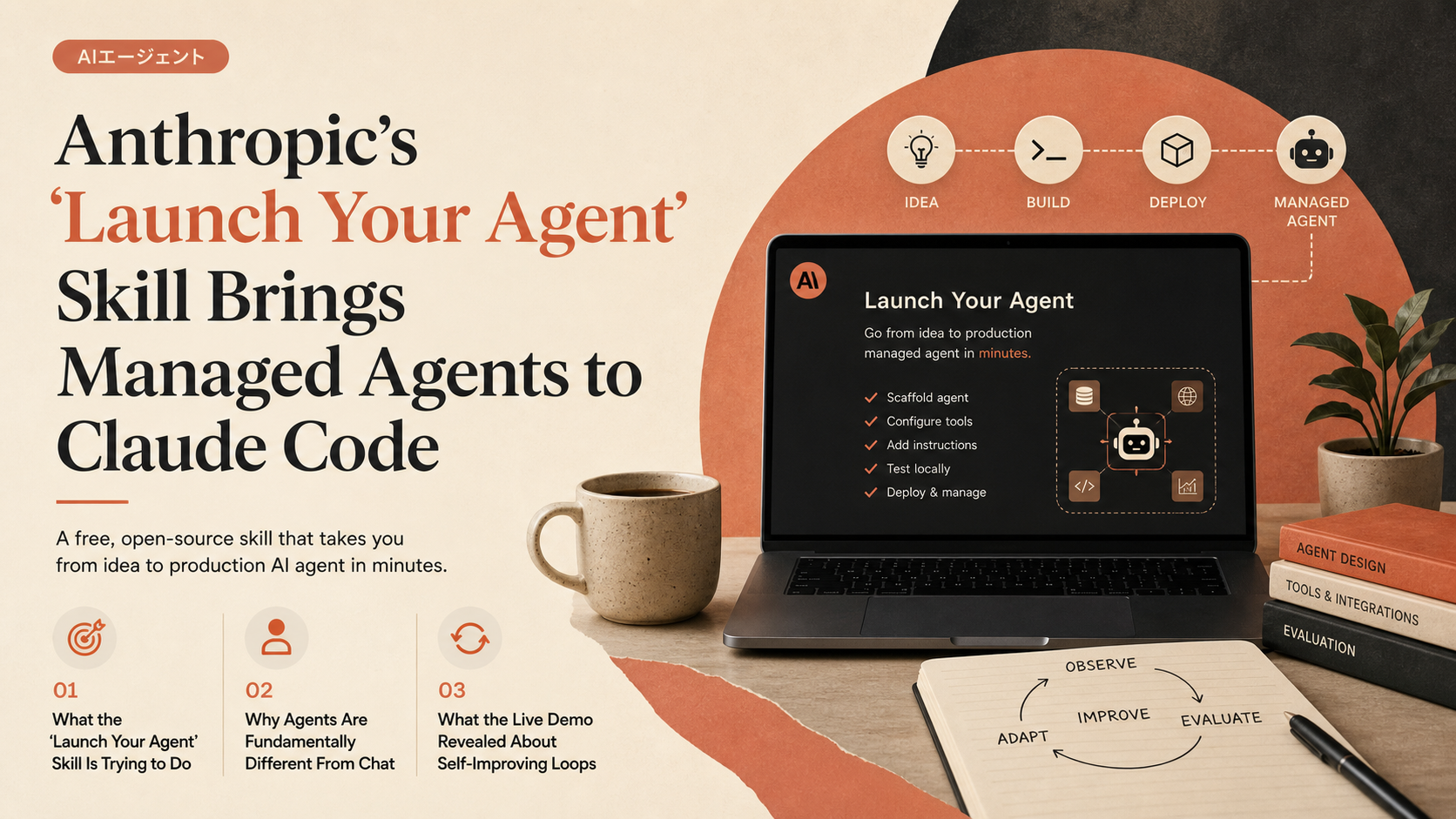
Anthropic's 'Launch Your Agent' Skill Brings Managed Agents to Claude Code
Anthropic released a free, open-source Claude Code skill called "Launch Your Agent" designed to take users from an idea to a production managed agent in minutes.