Claude Code Beginner's Manual: AI Agents, Context Limits, and Safer Setup

TL;DR · What you'll learn
- 1 The opening shows Claude Code monitoring global news, logistics, and even flight delays, presenting it as a working agent rather than just a chat AI.
- 2 The video then lays out a beginner-friendly, systematic guide to building AI agents in Claude Code that keep working on your behalf.
- 3 It also shows how tedious office work, like organizing invoices into Excel, can be handled quickly when you give the agent instructions at the folder level.
- 4 Midway through, the host uses the `/context` command to check conversation context usage and explains that decision quality drops when too much information accumulates.
- 5 To avoid that degradation, he recommends `/compact`, using history compression and fresh conversations to keep the model's working memory clear.
- 6 Near the end, he introduces GitHub Codespaces as a safer way to expose only selected files to Claude Code inside a controlled box.
Read as slides
3 slides total
The Basics of Claude Code and AI Agents
The first half of the video explains Claude Code not as an AI that simply answers questions, but as an AI agent that can actually operate a computer and move work forward. Examples include monitoring global trade routes and news, as well as turning invoices into Excel spreadsheets, all to show what kinds of work can be automated in practice.
The core message is not just faster text generation. It is the ability to hand over coherent blocks of work involving files and folders. Even replacing small daily annoyances, the host argues, can materially change how much time people spend on routine tasks.
Managing Context With /compact Instead of Letting History Sprawl
The middle section explains that the longer Claude Code is used, the more conversation history accumulates, increasing context consumption and lowering decision quality. Using `/context`, users can check current usage, and the video cites forum knowledge suggesting that performance degradation starts to appear gradually once usage climbs past around 40 percent.
The recommended response is `/compact`, which compresses history or carries key information into a new conversation so the model retains working space. The more complex the task, the more this kind of context management becomes a practical differentiator.
A Practical, Safer Way to Use Claude Code With Codespaces
In the final section, the host shows how to use a GitHub repository and Codespaces to limit what Claude Code can touch to a cloud-based workspace. The main advantage, he says, is that even individuals can use a free tier while avoiding the need to expose their local PC directly.
The point is not just setup convenience. It is presented as a practical way to balance usefulness and safety. The video's broader conclusion is that Claude Code is powerful, but its real value appears when people understand not only how to use it, but how to structure that use responsibly.
Editor's Take
What works practically in this Claude Code primer is the chapter on context management. The practice of compacting history with /compact because 'hoarding too much information degrades judgment' is a concrete prescription for a pitfall everyone hits in long sessions. Including the technique of exposing only chosen files inside the safe box of GitHub Codespaces, it goes beyond feature tours by addressing the discipline of sustaining performance over time.
Source
パソコン博士TAIKI
【神回!】絶対理解できる!『Claude Code』完全入門マニュアル!【使うと人生が変わる便利なAI 】
This article auto-summarizes the YouTube video's transcript with Claude. Please refer to the original video for nuance and exact wording.
Watch on YouTube →Related
3 articles
Claude
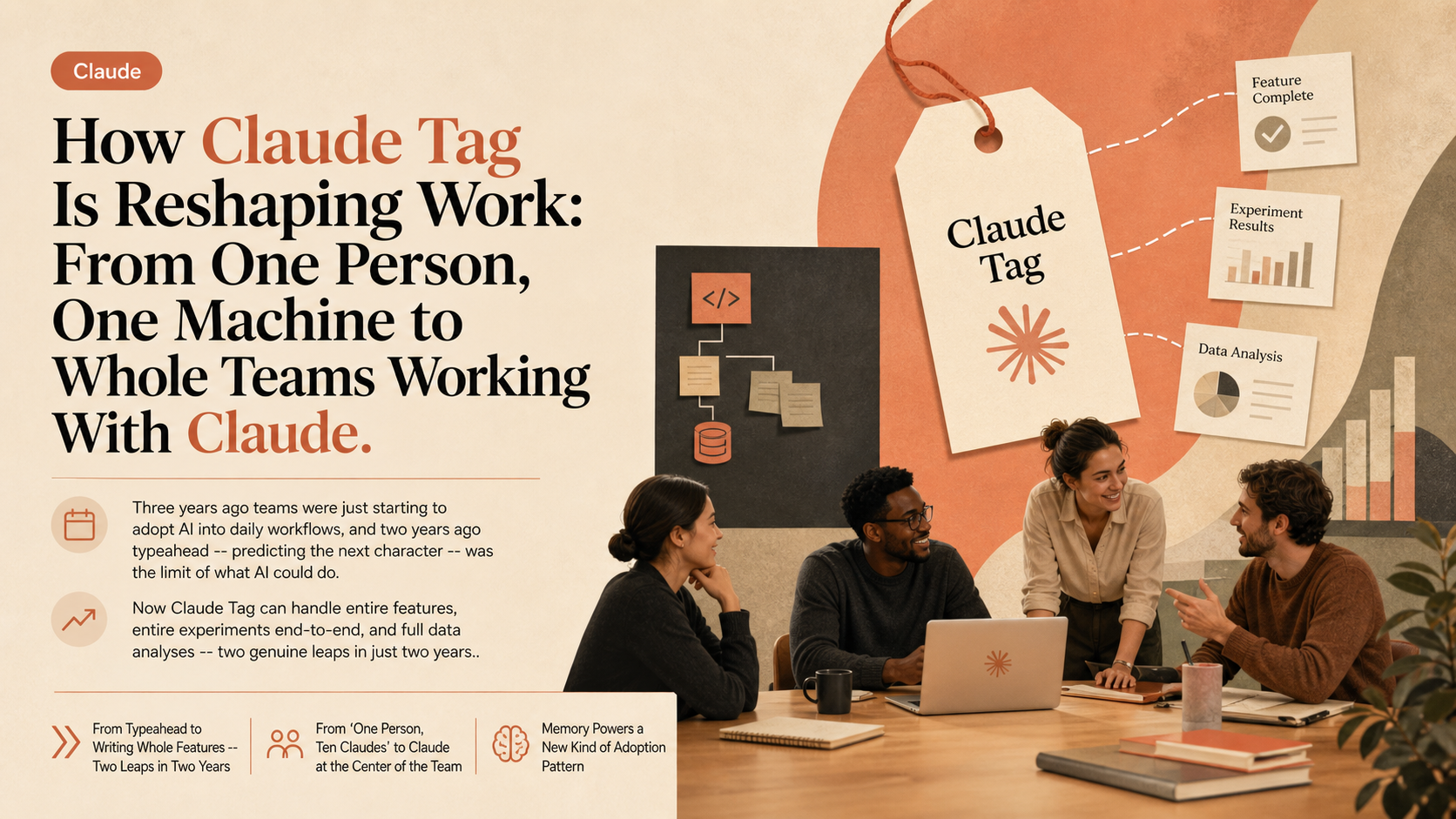
How Claude Tag Is Reshaping Work: From One Person, One Machine to Whole Teams Working With Claude
Three years ago teams were just starting to adopt AI into daily workflows, and two years ago typeahead -- predicting the next character -- was the limit of what AI could do.
いけともch
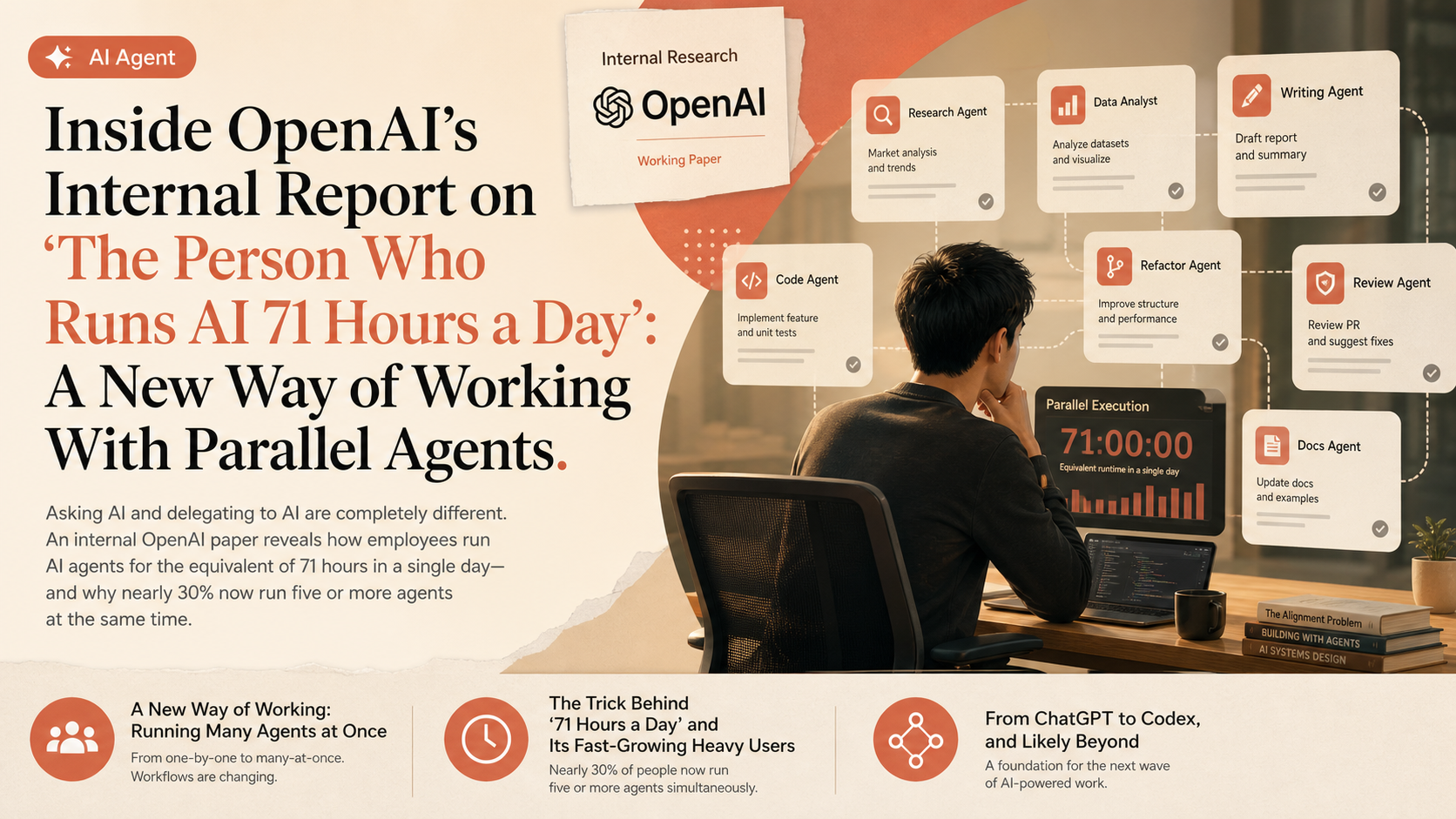
Inside OpenAI's Internal Report on 'The Person Who Runs AI 71 Hours a Day': A New Way of Working With Parallel Agents
Asking AI and delegating to AI are completely different, the video argues, introducing an internal OpenAI paper analyzing employees who run AI agents for the equivalent of 71 hours in a single day.

Duncan Rogoff | Learn Claude Code
Anthropic's 'Launch Your Agent' Skill Brings Managed Agents to Claude Code
Anthropic released a free, open-source Claude Code skill called "Launch Your Agent" designed to take users from an idea to a production managed agent in minutes.