Claude Code Is Useful, but Anthropic Lacks the Consistency Businesses Need
TL;DR · What you'll learn
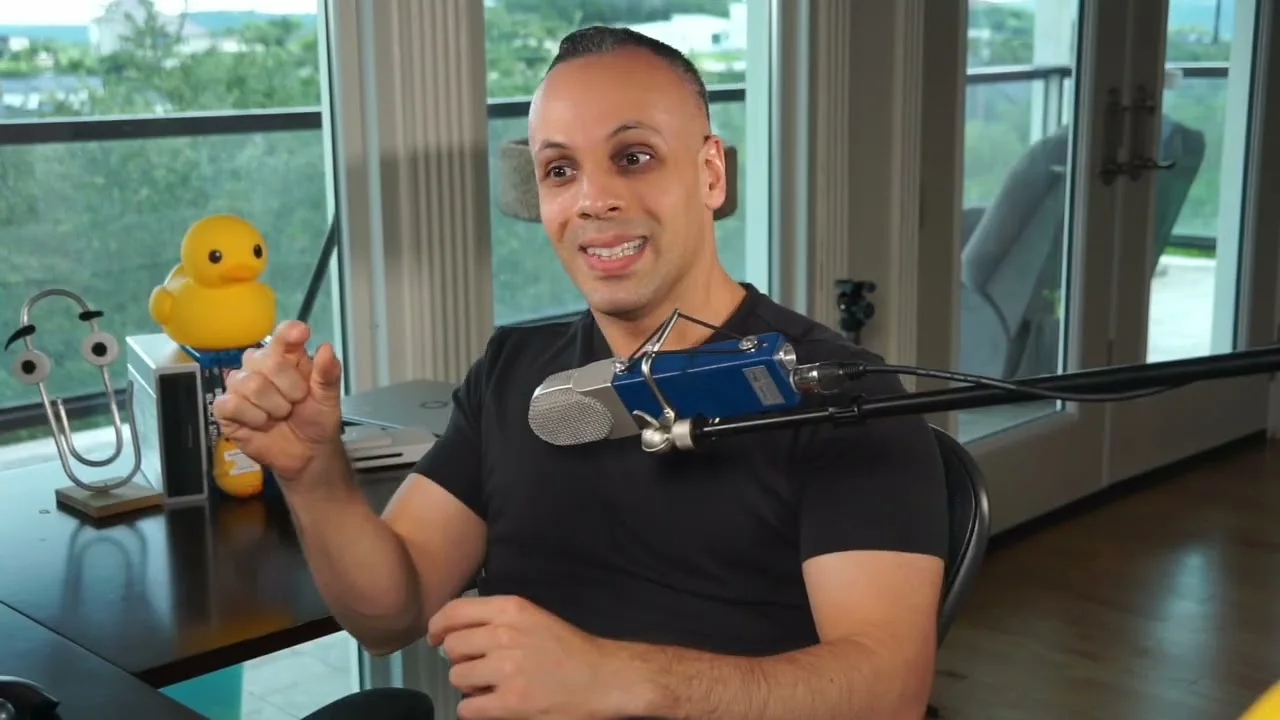
- 1 Repair-business owner Louis Rossmann delivers a blunt critique of how companies like Anthropic operate.
- 2 He says Claude Code itself is useful, citing a case where it recovered a damaged file that expensive specialist software could not restore.
- 3 Whenever progress stalled, he had Claude Code automatically call Gemini Deep Research in the background as part of a loop to diagnose the problem.
- 4 The real issue, he argues, is the same kind of unpredictability seen in the swings around Trump-era tariffs.
- 5 What businesses need, he says, is not the best possible environment but a consistent one.
- 6 No matter how strong the technology is, he says he does not want to do business with an unstable counterparty.
- 7 He closes by dryly noting that this is the behavior of a company aiming for a trillion-dollar IPO.
Read as slides
3 slides total
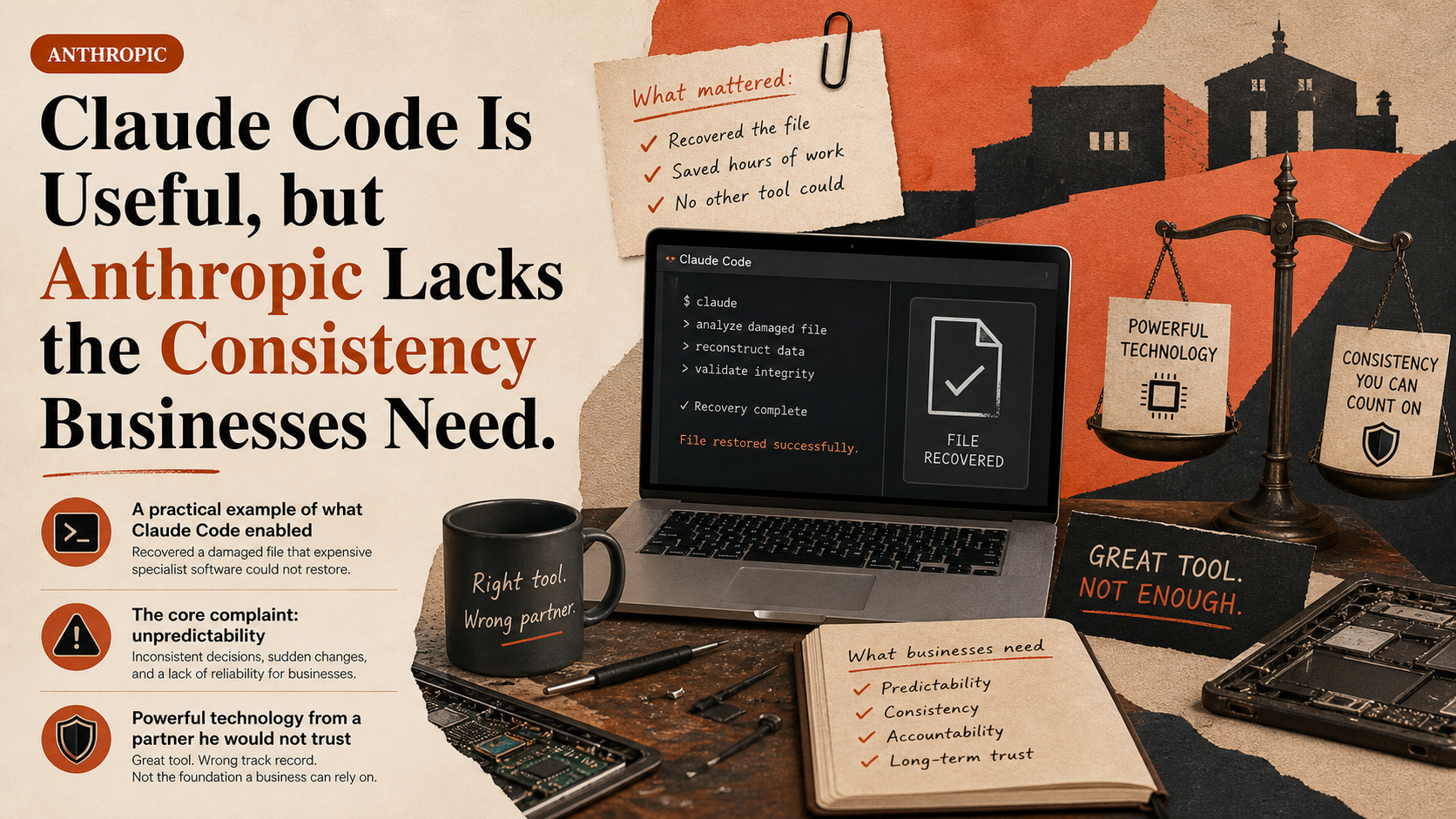
A practical example of what Claude Code enabled
Rossmann starts by acknowledging that Claude Code is genuinely useful. He describes recovering a file whose metadata had been badly corrupted, something that even the shop's roughly $20,000 hardware and expensive specialist software had failed to fix.
He built a loop in Claude Code that would automatically call Gemini Deep Research in the background whenever it got stuck, helping identify the source of the file problem. He presents this as a real business use case, including recovering voice memos left by someone who had passed away.
The core complaint: unpredictability
His frustration is not with the technology itself, but with how the company conducts business. He compares sudden changes in product policy to the violent swings of Trump-era tariffs. In an environment where a $110 item can become a $210 item the next day because of a single tweet, it becomes impossible to plan margins or run a stable business.
That leads to his broader point: businesses do not primarily need the best regulatory or commercial environment, they need a consistent one. Even when there is money to be made, merchants will pull back if the rules keep shifting and the counterparties cannot be predicted.
Powerful technology from a partner he would not trust
Rossmann frames his criticism around people using these systems for genuinely meaningful work, not for surveillance or abusive use cases, but for things like recovering a deceased relative's final voice memo. His question is simple: even if the technology is excellent, would you want to do business with a partner that feels unstable every single morning?
He compares that kind of company to "the worst ex" who lets themselves into your house with a spare key, cleans everything up, and then gets angry the next day. He admits the video is an unedited rant, but ends by underlining the irony that this is a company aspiring to a trillion-dollar IPO.
Editor's Take
Rossmann's verdict — useful, but not someone to do business with — targets trust rather than technology. What enterprises want from a tool is consistency, not peak performance, and an environment where limits, pricing, and model availability change without notice is itself an adoption risk. If you build on Claude Code, weigh provider stability as heavily as capability. Against the backdrop of shutdowns and billing changes, the point lands harder.
Source
Louis Rossmann
Anthropic is worse than my high school's drug dealer
This article auto-summarizes the YouTube video's transcript with Claude. Please refer to the original video for nuance and exact wording.
Watch on YouTube →Related
3 articles
AI Engineer
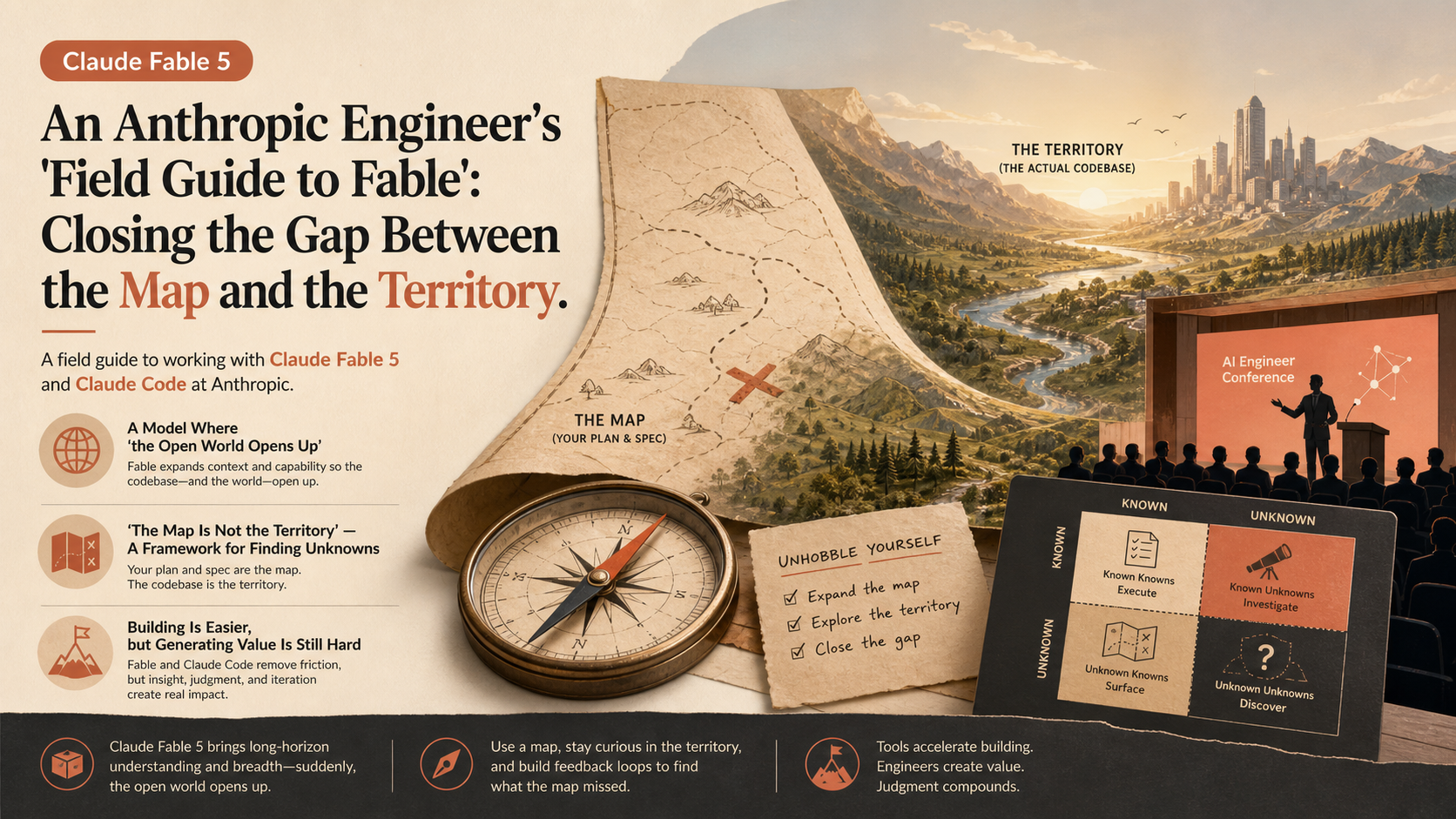
An Anthropic Engineer's 'Field Guide to Fable': Closing the Gap Between the Map and the Territory
A member of the Claude Code team spoke at the AI Engineer conference and described Fable as a model where the open world suddenly opens up.
The Infographics Show
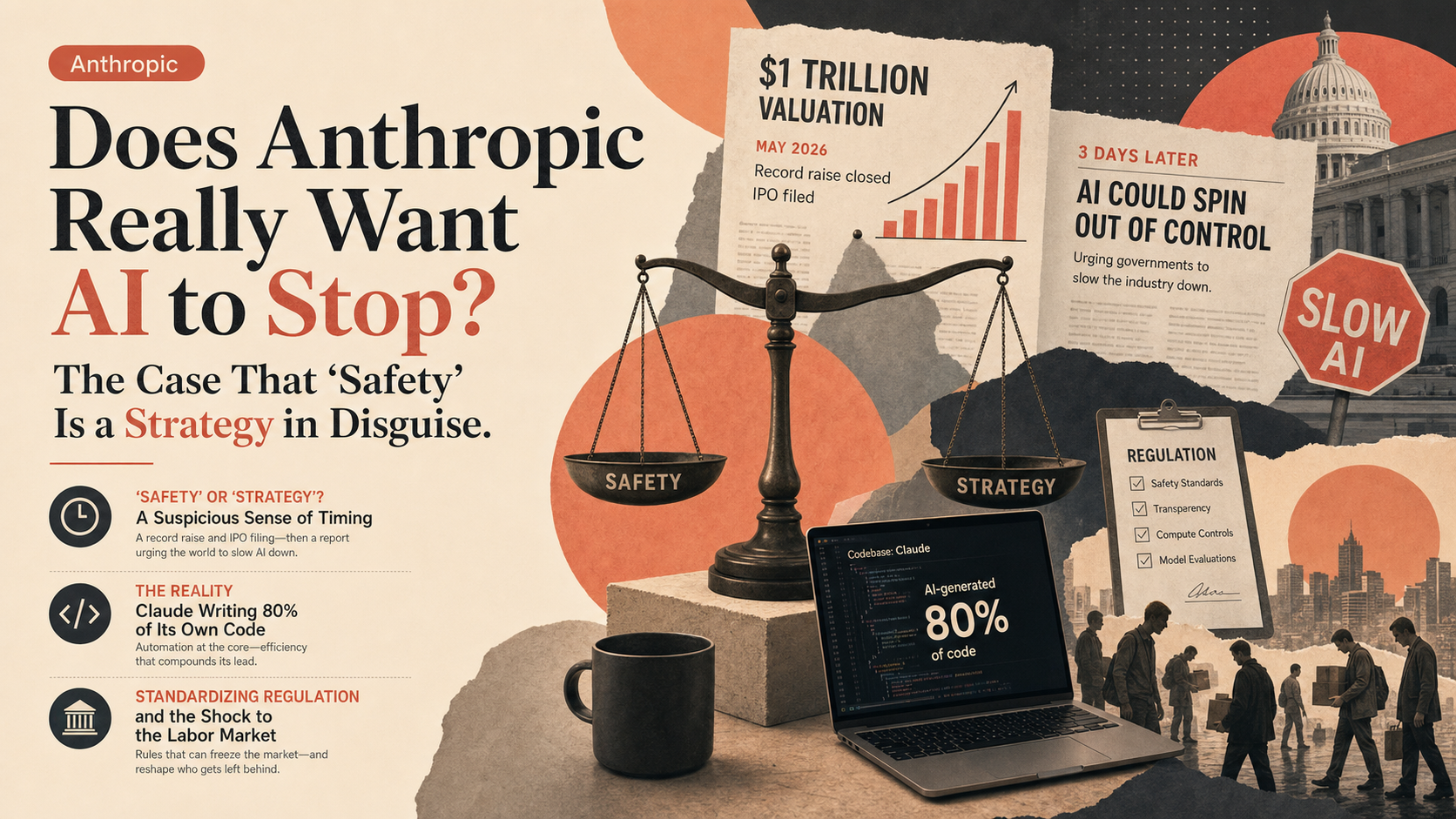
Does Anthropic Really Want AI to Stop? The Case That 'Safety' Is a Strategy in Disguise
Anthropic frames its mission as 'responsible scaling' to prevent human extinction, but there is a more cynical reading: a global slowdown also freezes the market, locks in today's front-runners, and makes it harder for open-source players to catch up.
Nate Herk | AI Automation
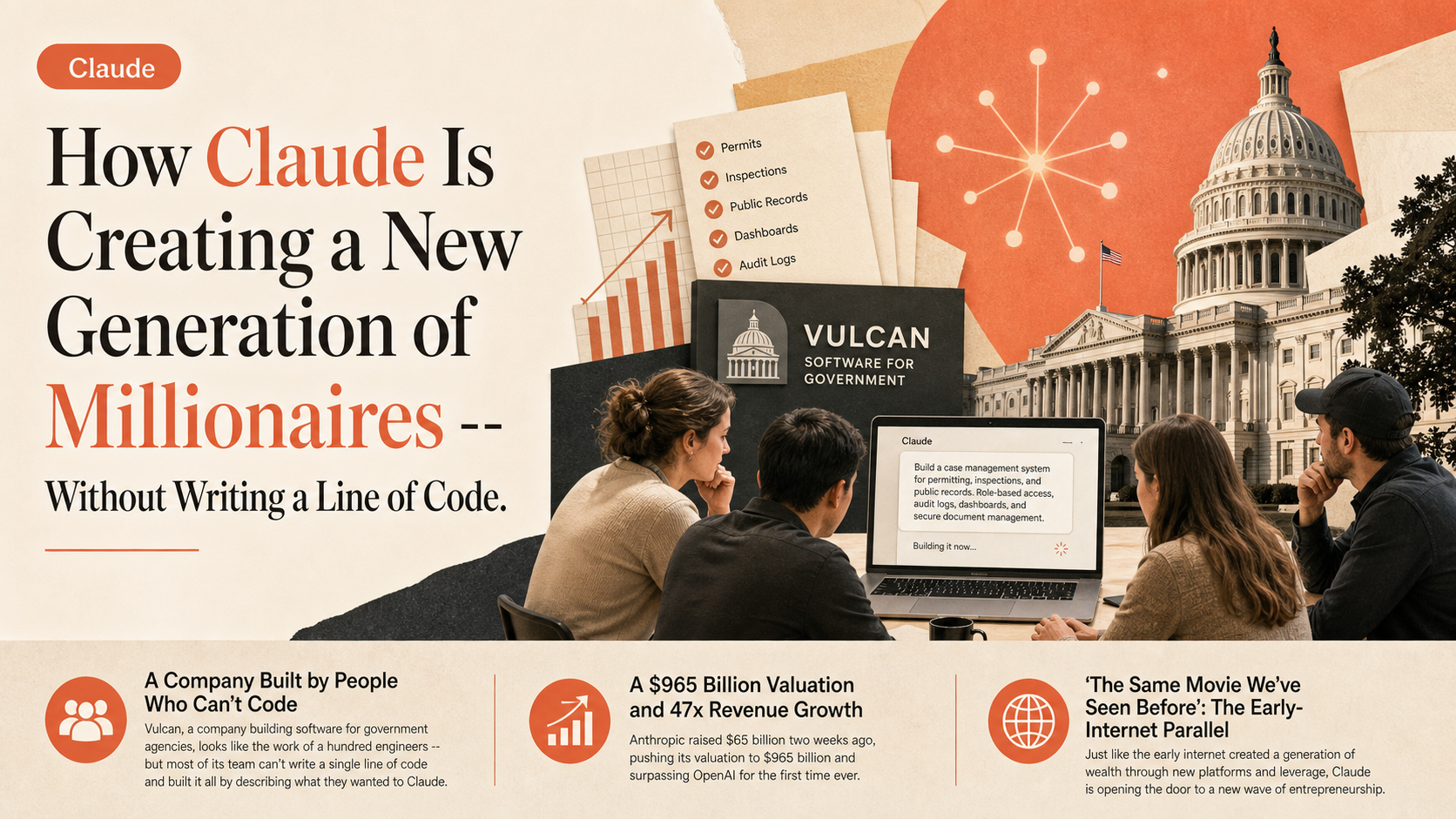
How Claude Is Creating a New Generation of Millionaires -- Without Writing a Line of Code
Vulcan, a company building software for government agencies, looks like the work of a hundred engineers -- but most of its team can't write a single line of code and built it all by describing what they wanted to Claude.