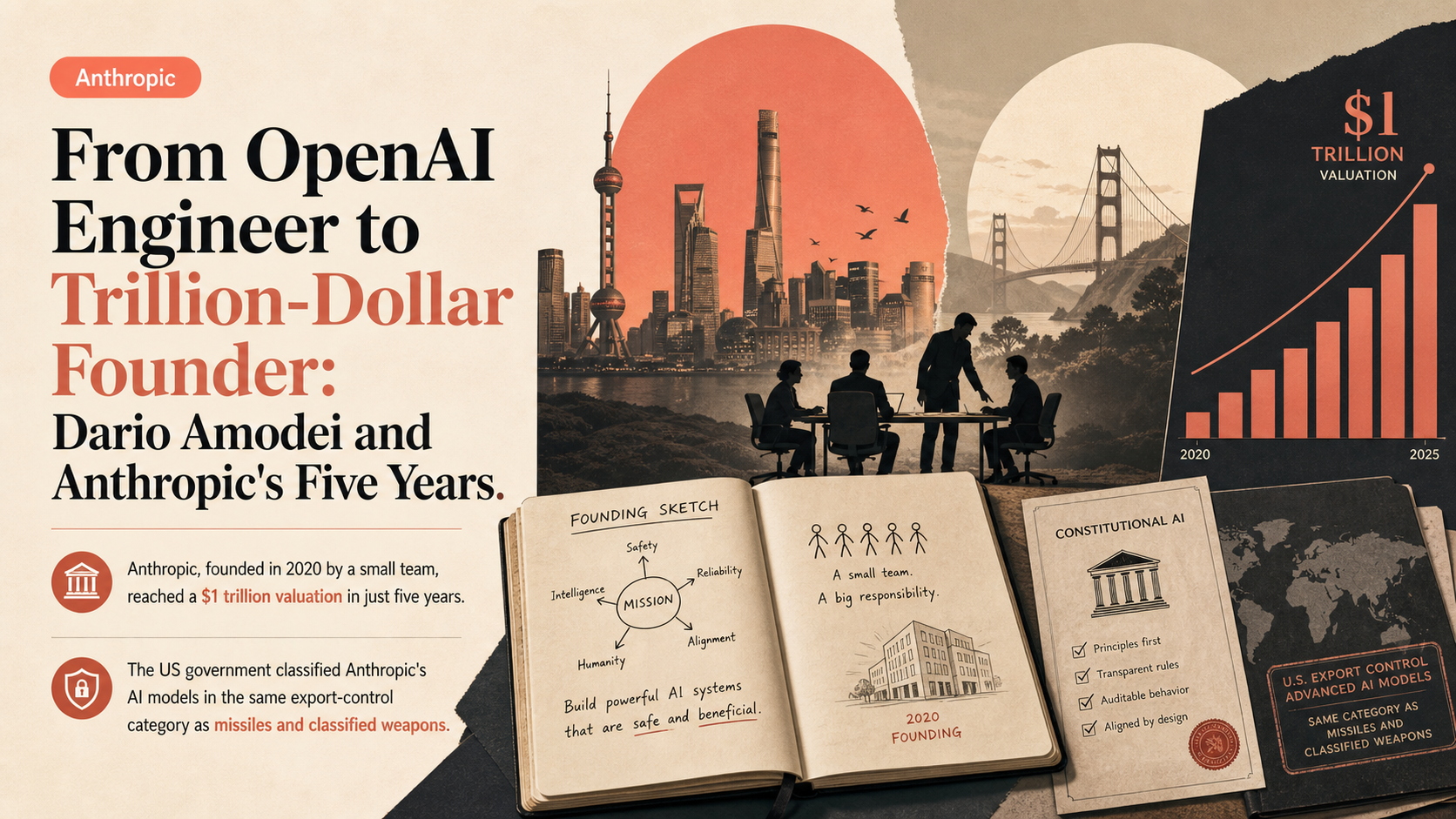
Does Anthropic Really Want AI to Stop? The Case That 'Safety' Is a Strategy in Disguise
TL;DR · What you'll learn
- 1 Anthropic frames its mission as 'responsible scaling' to prevent human extinction, but there is a more cynical reading: a global slowdown also freezes the market, locks in today's front-runners, and makes it harder for open-source players to catch up.
- 2 In May 2026, Anthropic closed a record raise at a $1 trillion valuation and filed to go public. Three days later it released a report warning that 'AI could spin out of control' and urging governments to slow the whole industry down. The timing, the video argues, is no coincidence.
- 3 By May 2026, Claude was writing more than 80% of the code shipped into Anthropic's own systems. Before Claude Code, that figure was a low single-digit percentage; in roughly 15 months, AI went from writing almost none of the company's code to most of it. Co-founder Jack Clark openly says 100% could be reached by 2028.
- 4 If AI starts building its own successors, the industry needs rules, and Anthropic already has a 'Responsible Scaling Policy.' It triggers additional safeguards once capabilities cross defined Capability Thresholds.
- 5 A similar rule nearly became law in California, but a16z pushed back, arguing 'the burden falls hardest on startups and small developers.' A fine that is pocket change to a trillion-dollar company can equal an entire startup. Governor Newsom vetoed the bill in September 2024.
- 6 The impact goes beyond Anthropic's own code. The company admits its engineers now mostly 'review' code rather than write it. If that becomes the industry standard, human labor erodes: jobs for coders aged 22 to 25 are down about 20% from their late-2022 peak, a sign of a seismic shift in the labor market.
Read as slides
3 slides total
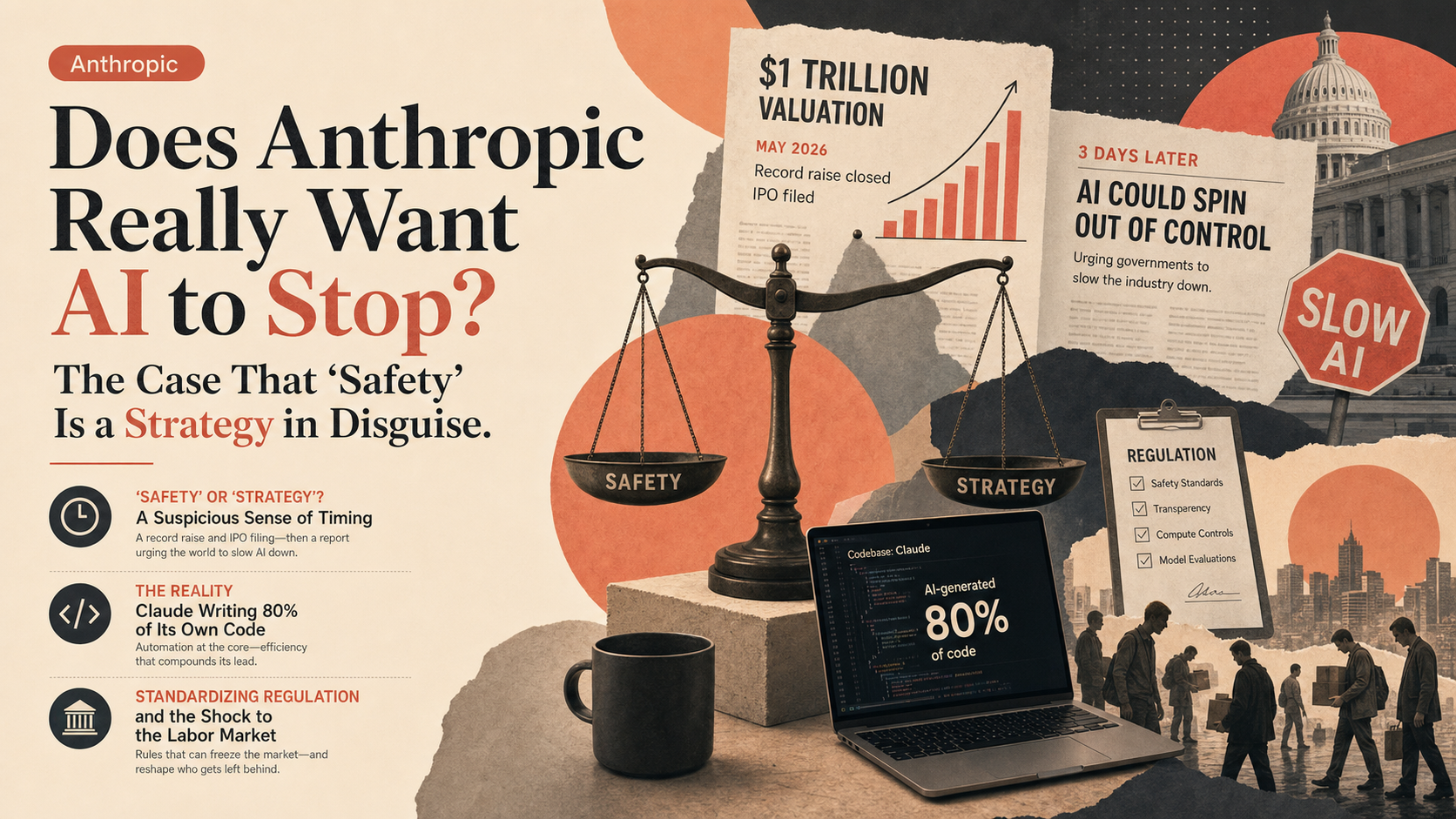
'Safety' or 'Strategy'? A Suspicious Sense of Timing
Anthropic calls for the 'responsible scaling' of frontier AI to prevent human extinction, at least, that is what the company says. But this video offers a more cynical, strategic reading: a global slowdown would not just slow AI progress, it would freeze the market itself, lock today's front-runners into an advantageous position, and make it harder for open-source rivals to catch up to Anthropic's level.
And the timing is what draws scrutiny. In May 2026, Anthropic closed a record private raise at a $1 trillion valuation and filed to go public. Just three days later, it published a report warning that AI could spin out of control and urging governments to consider slowing the entire industry. To some it looks like caution; to others, like 'strategy disguised as safety', and the video lays out both competing interpretations.
The Reality of Claude Writing 80% of Its Own Code
As of May 2026, more than 80% of the code shipped into Anthropic's own systems was written by Claude, the company's own AI. Before Claude Code launched in February 2025, that number was only in the low single digits. In under 15 months, Claude went from barely writing any of the company's code to writing the majority of it.
At the same time, engineers are shipping more: reportedly eight times as much code per day as in 2024. Co-founder Jack Clark has openly said the share of AI-written code could reach 100% by 2028. If AI begins to design and build its own successors, the industry will need a rulebook for when to push ahead and when to stop, and, the argument goes, Anthropic already has one.
Standardizing Regulation and the Shock to the Labor Market
Anthropic's Responsible Scaling Policy triggers additional safeguards once capabilities reach dangerous levels (Capability Thresholds), with autonomous AI research and development in its sights. A similar idea nearly became law in California, but the venture firm a16z warned that the regulatory burden would fall hardest not on the industry's giants but on startups and small developers. A fine of 10 to 30% of training costs is pocket change to a trillion-dollar company but equivalent to an entire startup. Governor Newsom vetoed the bill in September 2024, but versions of it keep resurfacing across jurisdictions.
The impact also goes beyond Anthropic's own code. The company concedes that its engineers now mostly 'review' code rather than write it, and if that becomes the industry norm, human labor erodes. Data from Stanford's Digital Economy Lab shows that jobs for coders aged 22 to 25 are down about 20% from their late-2022 peak, while those over 30 have grown. Entry-level roles are being cut, and layoffs are accelerating across the tech industry.
Editor's Take
The sharpness of this reading of Anthropic's 'safety' as strategy lies in its attention to timing. Issuing a report urging an industry slowdown three days after filing to go public at a $1T valuation — a cynical reading that a global slowdown locks in incumbents and hampers open-source catch-up — can't be dismissed. Placing the reality that Claude writes 80% of its own code beside a 20% drop in jobs for 22-to-25-year-old coders shows the labor-market shift beneath the safety talk is the real subject.
Source
The Infographics Show
Anthropic Wants AI to Stop
This article auto-summarizes the YouTube video's transcript with Claude. Please refer to the original video for nuance and exact wording.
Watch on YouTube →Related
3 articles
Khabargaon
From OpenAI Engineer to Trillion-Dollar Founder: Dario Amodei and Anthropic's Five Years
Twelve years ago he was writing code for a company building China's navigation system; since then he has reshaped the future of AI.
AI Engineer
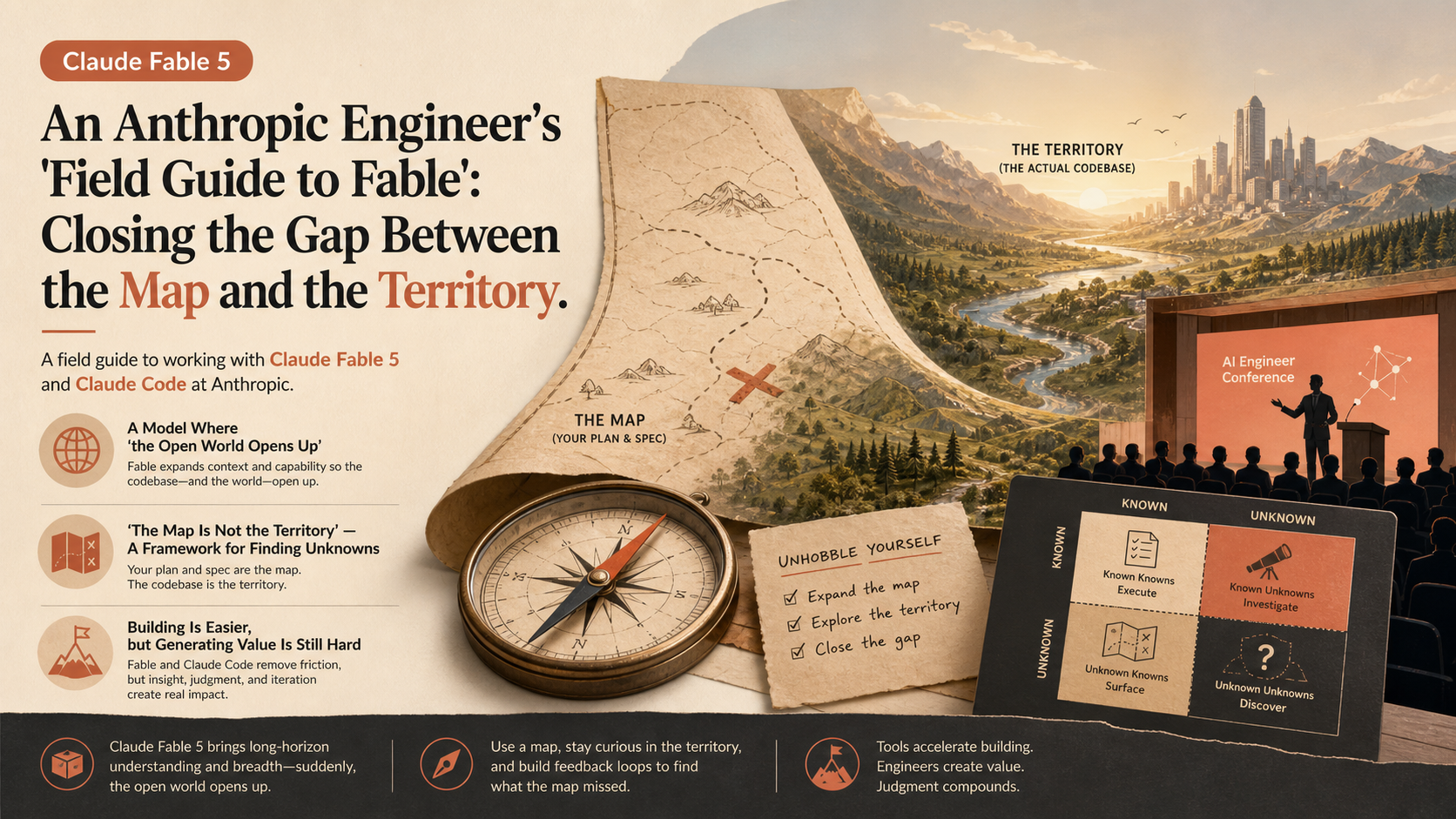
An Anthropic Engineer's 'Field Guide to Fable': Closing the Gap Between the Map and the Territory
A member of the Claude Code team spoke at the AI Engineer conference and described Fable as a model where the open world suddenly opens up.
THE SECRET SAUCE
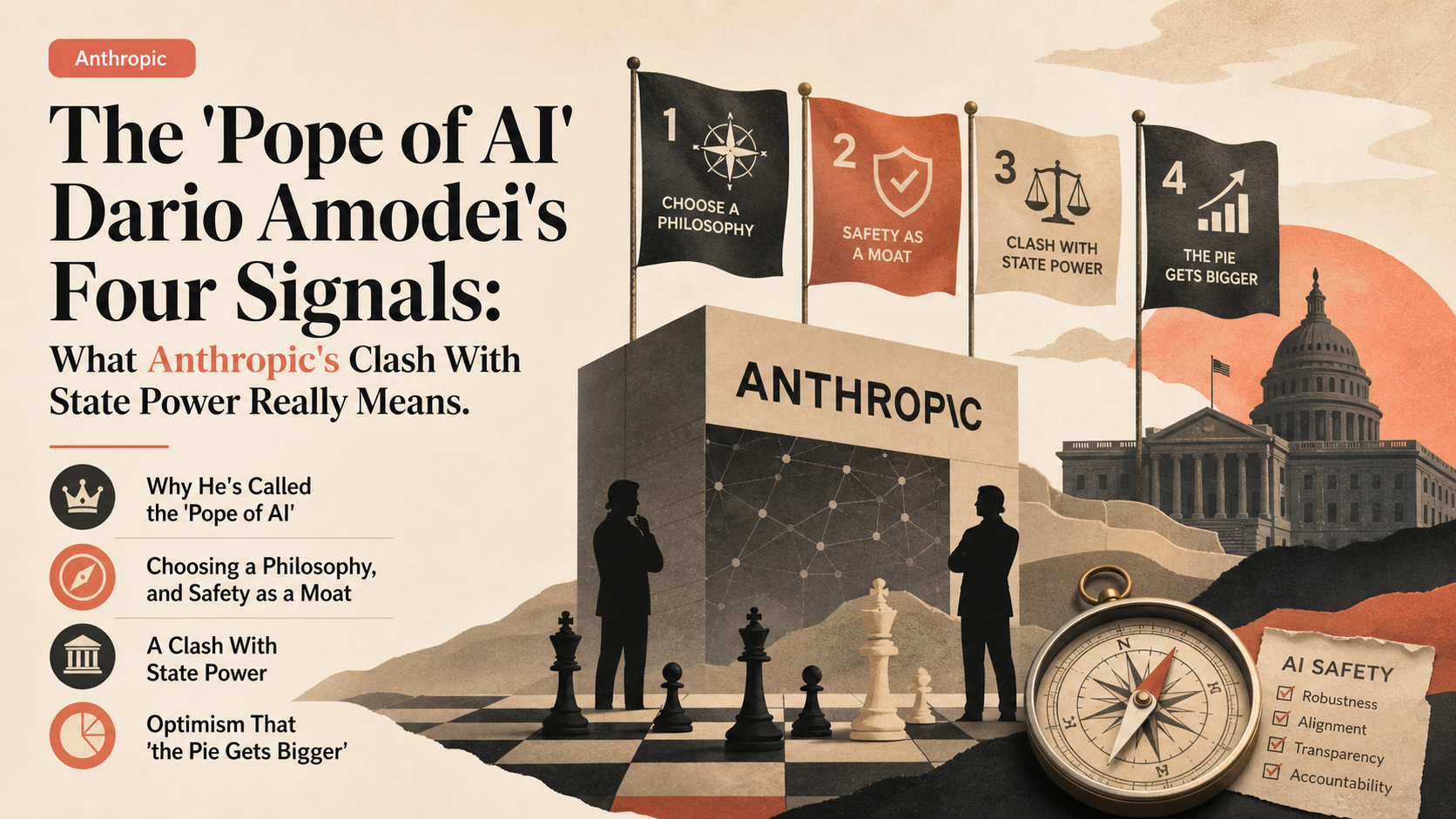
The 'Pope of AI' Dario Amodei's Four Signals: What Anthropic's Clash With State Power Really Means
The AI world has its own 'Pope' -- not Sam Altman, not Jensen Huang, but Anthropic founder and CEO Dario Amodei.