The Complete OpenCode Tutorial: Keep Claude Code's Playbook (Skills, MCP, agents.md) While Freely Choosing Your Model
TL;DR · What you'll learn
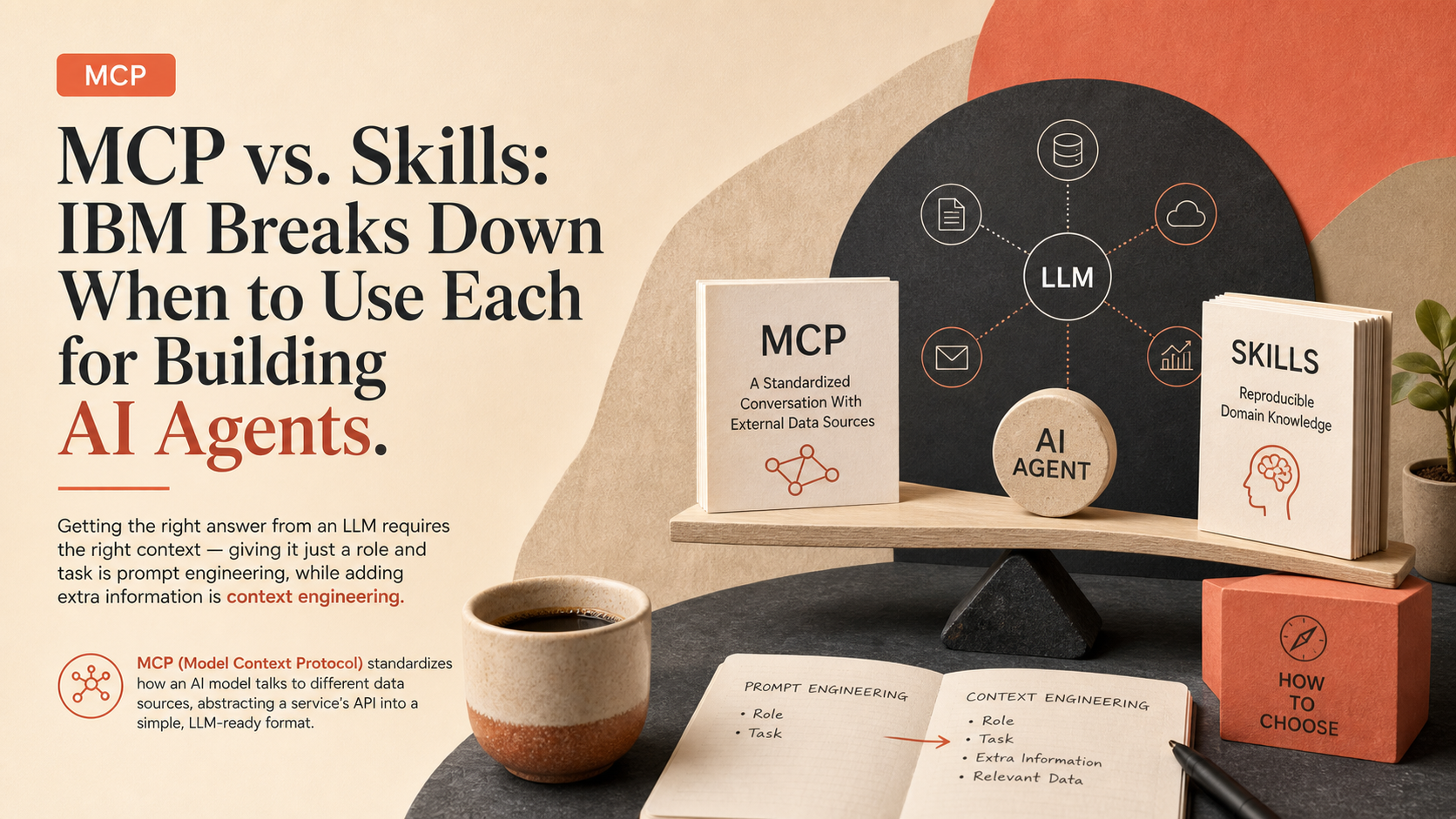
- 1 Coding agents tend to lock you into one provider and model, but OpenCode lets you freely choose between existing subscriptions, free models, API-key models, or local models -- while keeping the features popularized by Claude Code and Codex.
- 2 Plan/build mode, skills, MCPs, agents.md files, sub-agents, and workflows -- the feature set Anthropic's Claude Code popularized -- all work inside OpenCode too, the video explains.
- 3 A `share` command turns an entire session into a shareable URL, and running `unshare` instantly revokes access again -- both demonstrated live.
- 4 As a personal 'second brain' workflow, the creator shows triggering skills to gather multiple perspectives on a decision, much like convening a virtual board of advisors.
Read as slides
3 slides total
Breaking the Model Lock-In
Most coding agent tools lock you into one provider, one model, one agent -- switching agents usually means switching tools entirely. OpenCode, the subject of this tutorial, solves that: with a single AI agent, you can freely use your existing subscriptions, free models, API-key-backed models, or even local models. And critically, you keep the exact features that Claude Code and Codex popularized -- plan/build mode, skills, MCPs, agents.md files, sub-agents, and workflows -- all inside the same tool.
Session Sharing and the Essential Commands
The walkthrough highlights practical UI touches -- changed code highlighted in green, easy navigation between sessions -- alongside one particularly useful feature: the `share` command, which converts an entire conversation history into a shareable HTML page. Opening the generated URL in a browser shows the whole session, from the initial prompt through everything the agent generated. Running `unshare` instantly kills that URL, making it inaccessible again.
Using It as a Second Brain
In the back half of the video, the creator reveals his own personal workflow for using OpenCode as a 'second brain.' For decisions -- like how to grow a community -- he triggers pre-built skills to pull in feedback from several distinct perspectives at once, essentially convening a virtual board of advisors. The tutorial covers the full path from installation through skills, MCPs, and agents.md basics, all the way to this kind of applied, real-world use case.
Editor's Take
What this video really shows is that the design vocabulary Anthropic established with Claude Code -- plan/build mode, skills, agents.md -- is becoming a de facto standard being inherited by rival tools. OpenCode adopting these concepts wholesale while adding model-choice freedom on top suggests coding-agent 'workflow design' and 'model supply' are gradually splitting into separate layers. The session-sharing feature and the 'second brain' use case are also interesting evidence that coding agents are expanding beyond pure programming assistance into general-purpose decision-support workspaces.
Source
Eric Tech
OpenCode Full Tutorial: Free Models, Skills & MCPs
This article auto-summarizes the YouTube video's transcript with Claude. Please refer to the original video for nuance and exact wording.
Watch on YouTube →Related
3 articles
IBM Technology
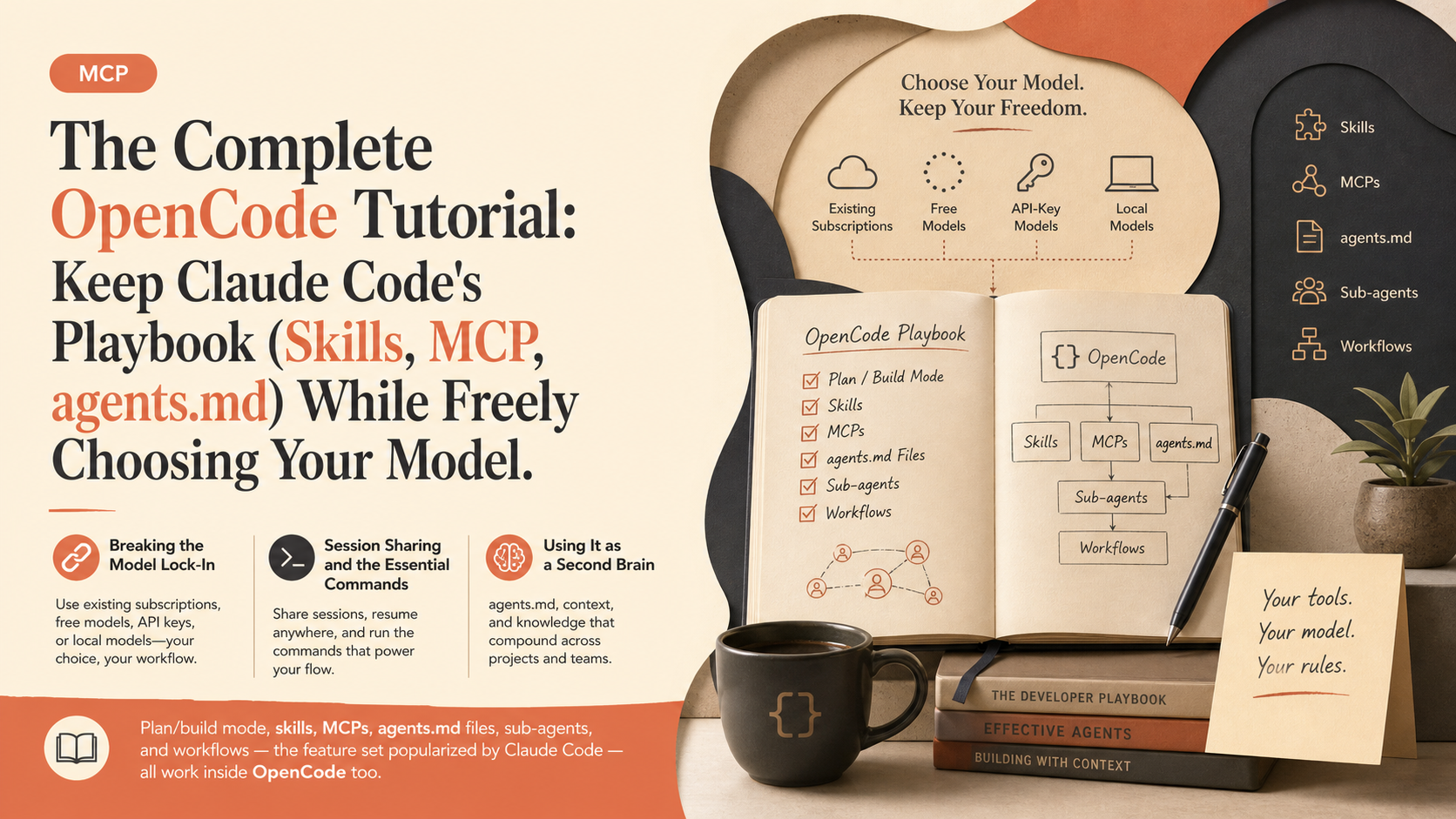
MCP vs. Skills: IBM Breaks Down When to Use Each for Building AI Agents
Getting the right answer from an LLM requires the right context -- giving it just a role and task is prompt engineering, while adding extra information is context engineering.
Griffin Wooldridge
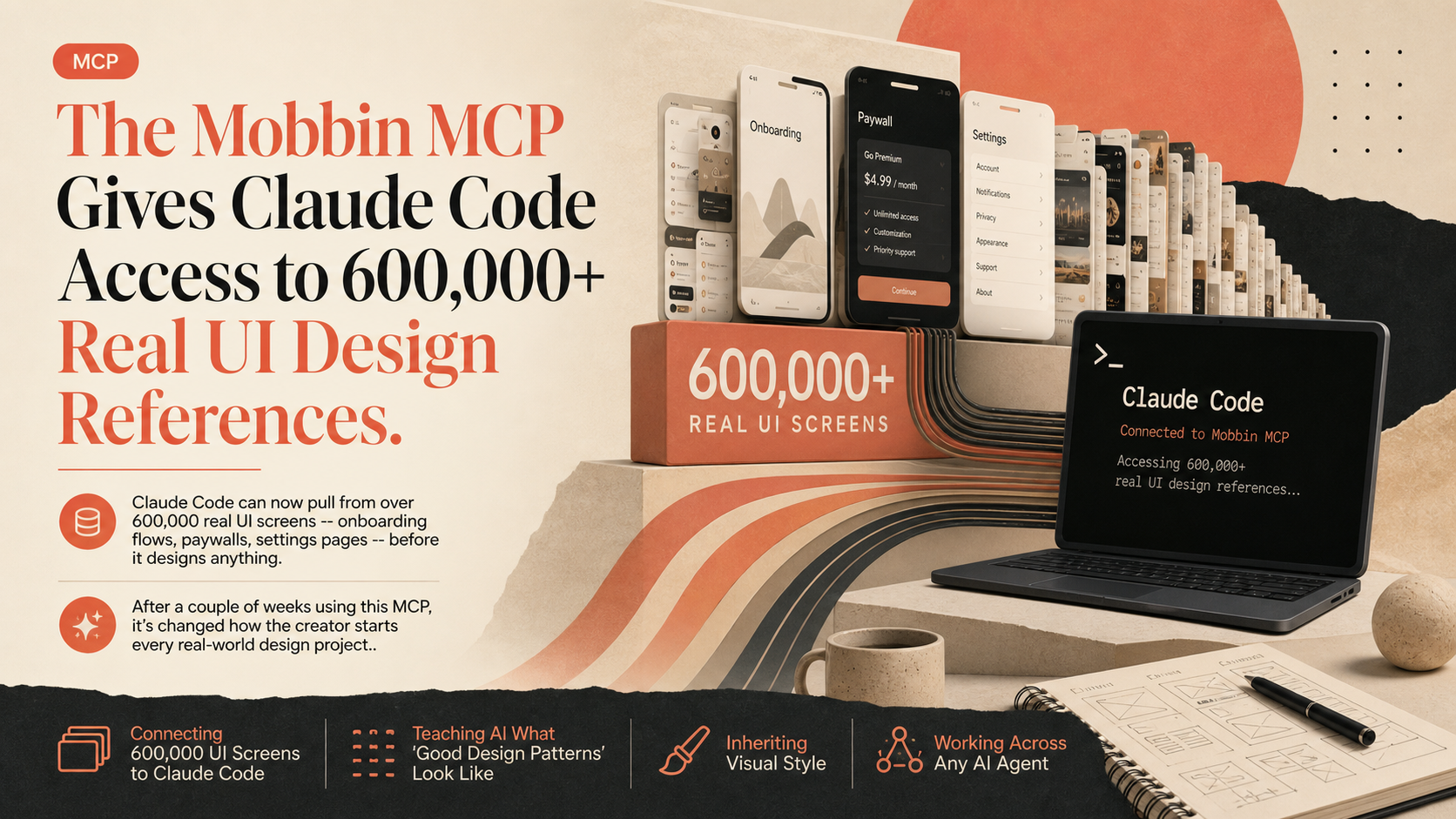
The Mobbin MCP Gives Claude Code Access to 600,000+ Real UI Design References
Claude Code can now pull from over 600,000 real UI screens -- onboarding flows, paywalls, settings pages -- before it designs anything.
Mac-TV
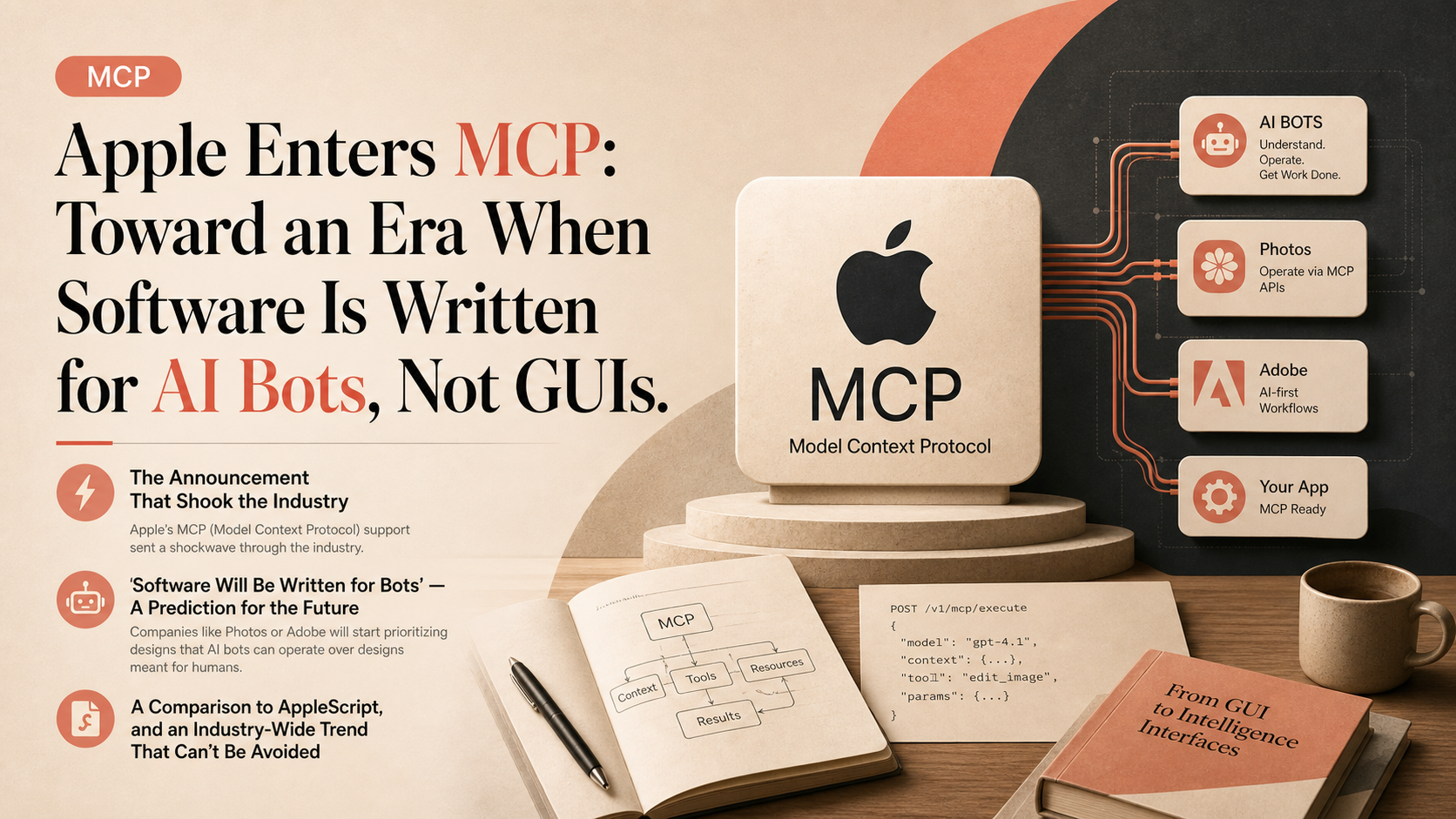
Apple Enters MCP: Toward an Era When Software Is Written for AI Bots, Not GUIs
Apple recently announced MCP (Model Context Protocol) support, a move the presenter says sent a shockwave through the industry.