DoorDash Rolled Out Claude Code to Every Employee: Small Teams and Architecture Principles Drove a Throughput Surge
TL;DR · What you'll learn
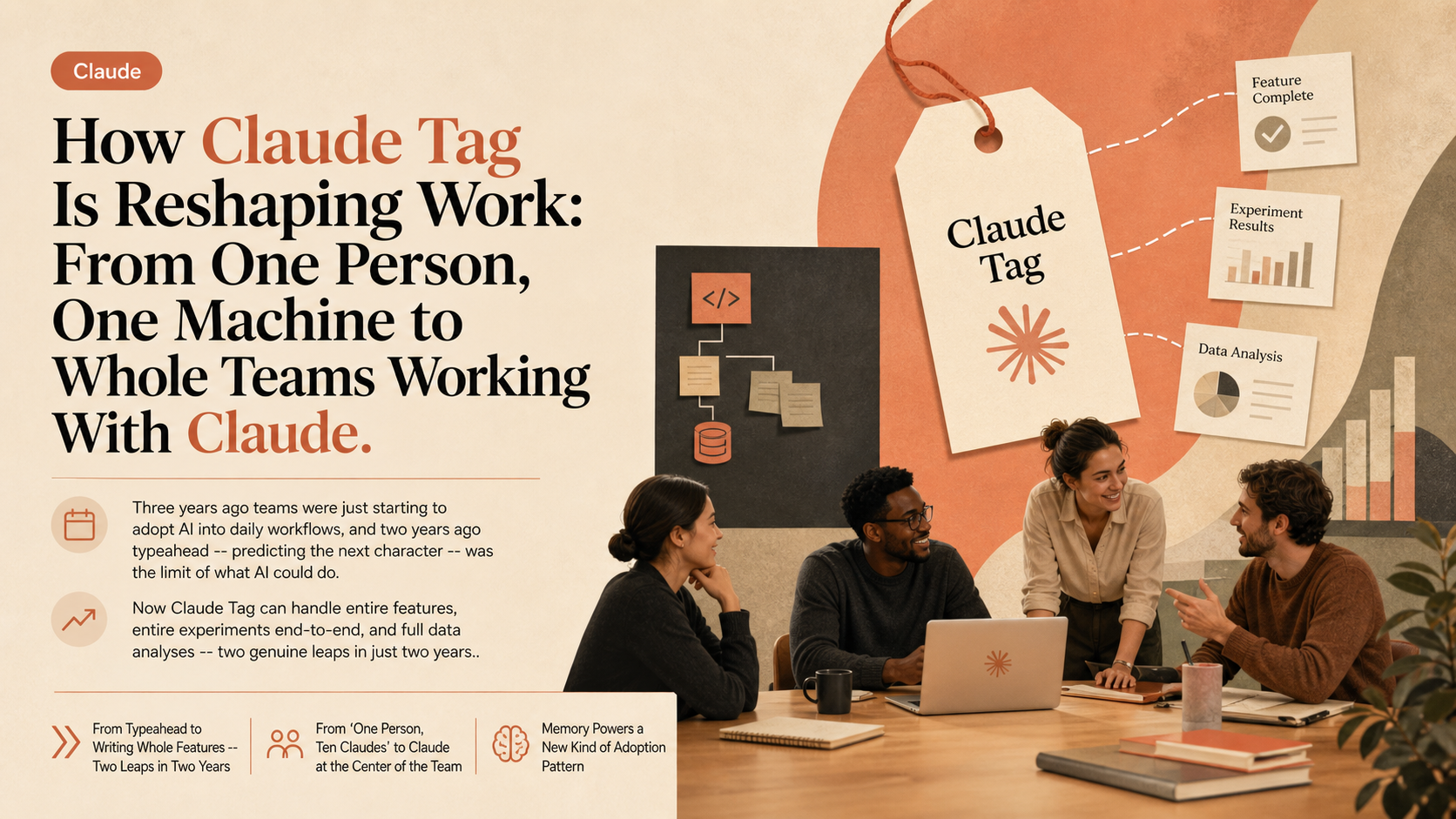
- 1 DoorDash says its Claude Cowork rollout aimed to raise the floor of AI fluency across the entire company.
- 2 People outside engineering have started coding in the terminal and shipping real work, opening the eyes of many who previously saw AI as just a chat interface.
- 3 One engineer completed a massive code migration solo in three weeks that would historically have taken four engineers a full quarter.
- 4 Some major products cut their launch timelines by more than half, pulling release dates in significantly.
- 5 A key learning: keeping teams small is one of the biggest accelerants, since each person owning a clear domain cuts down on coordination overhead.
- 6 Investing upfront in making a codebase 'agent-friendly' genuinely pays off -- one successful team's tech lead had written down 50-plus architectural principles.
- 7 Sharing written artifacts is, in their view, the most scalable way to spread learnings across the org -- and as a byproduct, it creates assets agents can actually read.
Read as slides
3 slides total
The Goal: Raising the Floor on AI Fluency
As DoorDash marked a major milestone rolling out Claude Cowork broadly, the aim was to raise the floor of AI fluency across the whole company. People outside engineering are now using the terminal, coding, and shipping real work -- while even executives who understand AI's importance often remain stuck at the 'it's just a chat' stage. Many people's eyes light up the moment they realize connecting it to Gmail, Google Calendar, or Slack makes them more efficient knowledge workers -- and that's precisely the effect the Cowork rollout was designed to achieve.
One Engineer, Three Weeks vs. Four Engineers, One Quarter
Company-wide Claude adoption has produced dramatic throughput gains. In one striking example, a massive code migration that would historically have taken four engineers a full quarter was completed solo, in just three weeks, by a single engineer. Multiple other major products cut their timelines by more than half, pulling release dates in significantly. The team is now hunting for these pockets of success, analyzing what made them work, and giving a handful of teams a deeper charter to see what they can produce.
Small Teams and Investing Upfront to Be 'Agent-Friendly'
From these adoption experiments, one clear lesson emerged: keeping teams small is one of the biggest accelerants, since each person owning a clear domain sharply reduces cross-team coordination costs. Another important learning: it genuinely pays off to invest upfront in making a codebase agent-friendly. In one successful example, the tech lead had written down 50-plus architectural principles they cared about.
For engineering leaders, the advice is to build a culture of sharing written artifacts -- the most scalable way to spread learnings across an organization, with the added byproduct of accumulating assets agents themselves can read. New grads are picking up this new paradigm remarkably fast, and the encouragement for leaders is simple: stay curious, and actually play with the tools yourself.
Editor's Take
The core lesson here is that productivity gains from AI adoption don't come from simply handing out a tool. The two success factors DoorDash cites -- small teams and upfront architectural investment -- are both software engineering principles that predate AI, confirming that agents deliver the most value in organizations that already apply those principles rigorously. The finding that investing in an 'agent-friendly' codebase pays off is a practical signal for any organization considering AI adoption: rethink your codebase structure before you even get to tool selection. The observation that sharing written artifacts achieves both human knowledge transfer and an agent-readable knowledge base simultaneously is also worth noting as a reframing of documentation's value in the AI era.
Source
Claude
DoorDash gave every employee Claude Code
This article auto-summarizes the YouTube video's transcript with Claude. Please refer to the original video for nuance and exact wording.
Watch on YouTube →Related
3 articles
Claude
How Claude Tag Is Reshaping Work: From One Person, One Machine to Whole Teams Working With Claude
Three years ago teams were just starting to adopt AI into daily workflows, and two years ago typeahead -- predicting the next character -- was the limit of what AI could do.
Nate Herk | AI Automation
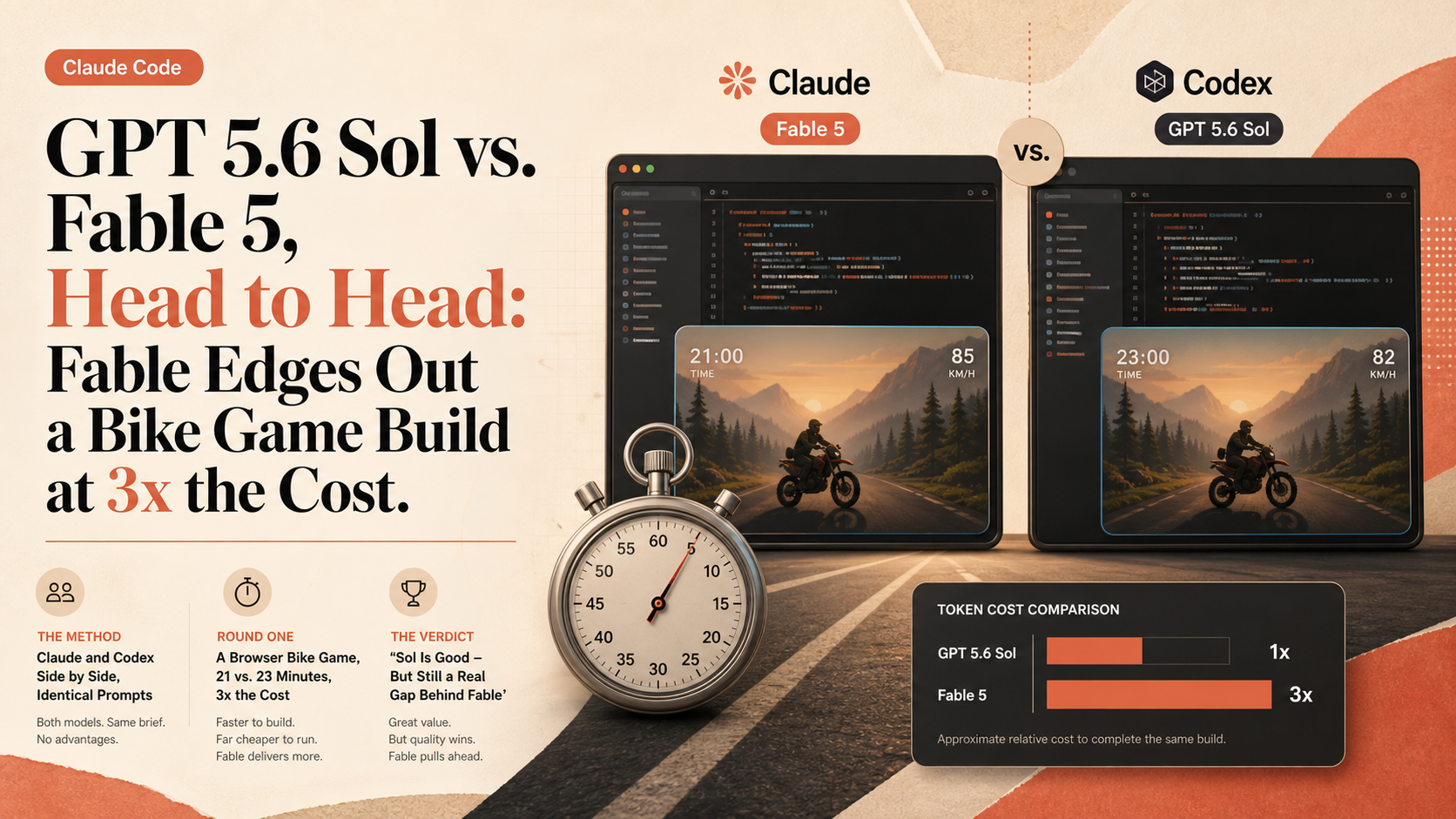
GPT 5.6 Sol vs. Fable 5, Head to Head: Fable Edges Out a Bike Game Build at 3x the Cost
With GPT 5.6's Sol, Terra, and Luna released, benchmarks show Sol beating Opus and Fable while costing far less -- but the creator decided to run both models side by side on real work for a full day instead of just quoting numbers.
Trading with DaviddTech
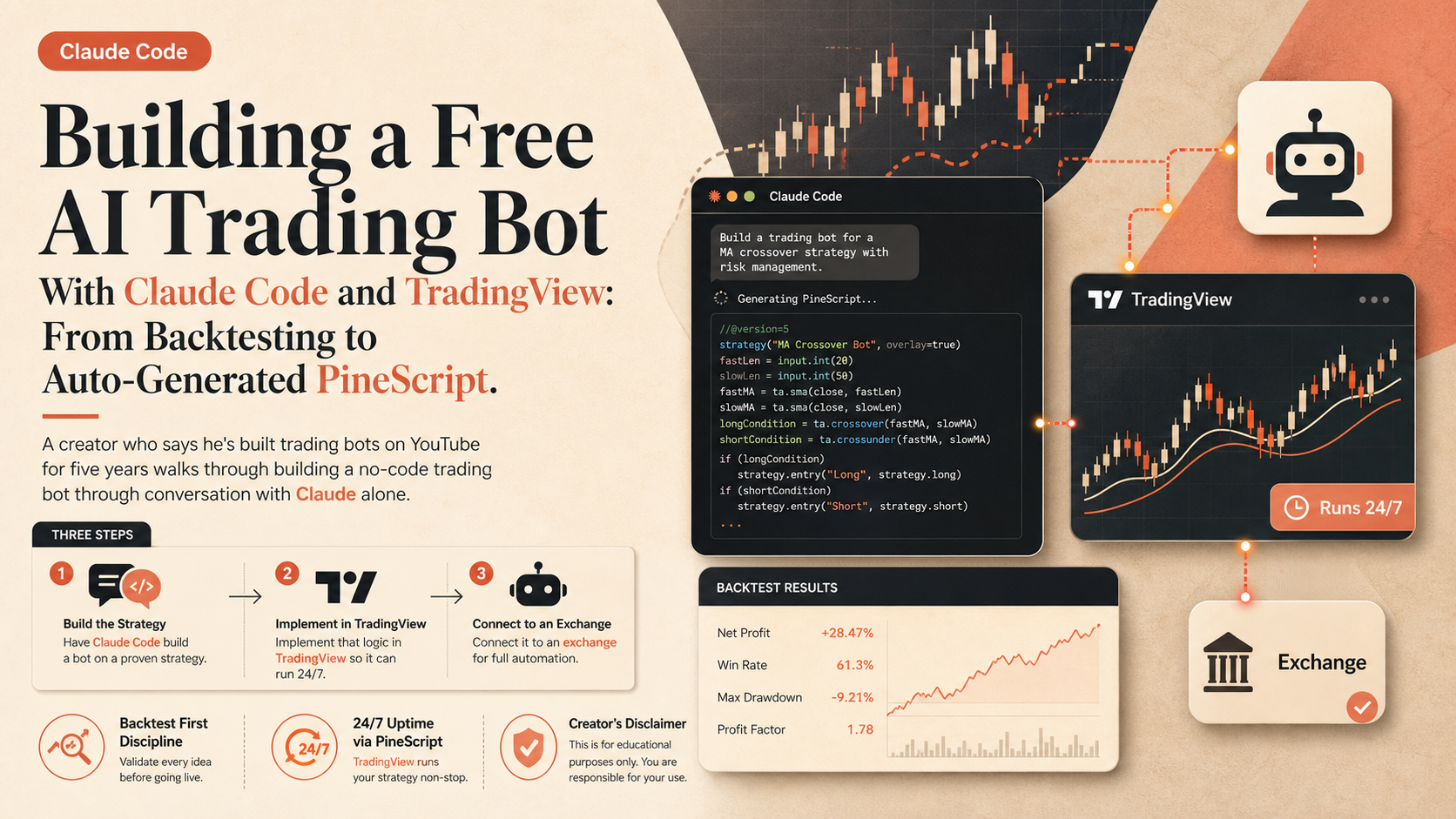
Building a Free AI Trading Bot With Claude Code and TradingView: From Backtesting to Auto-Generated PineScript
A creator who says he's built trading bots on YouTube for five years walks through building a no-code trading bot through conversation with Claude alone.