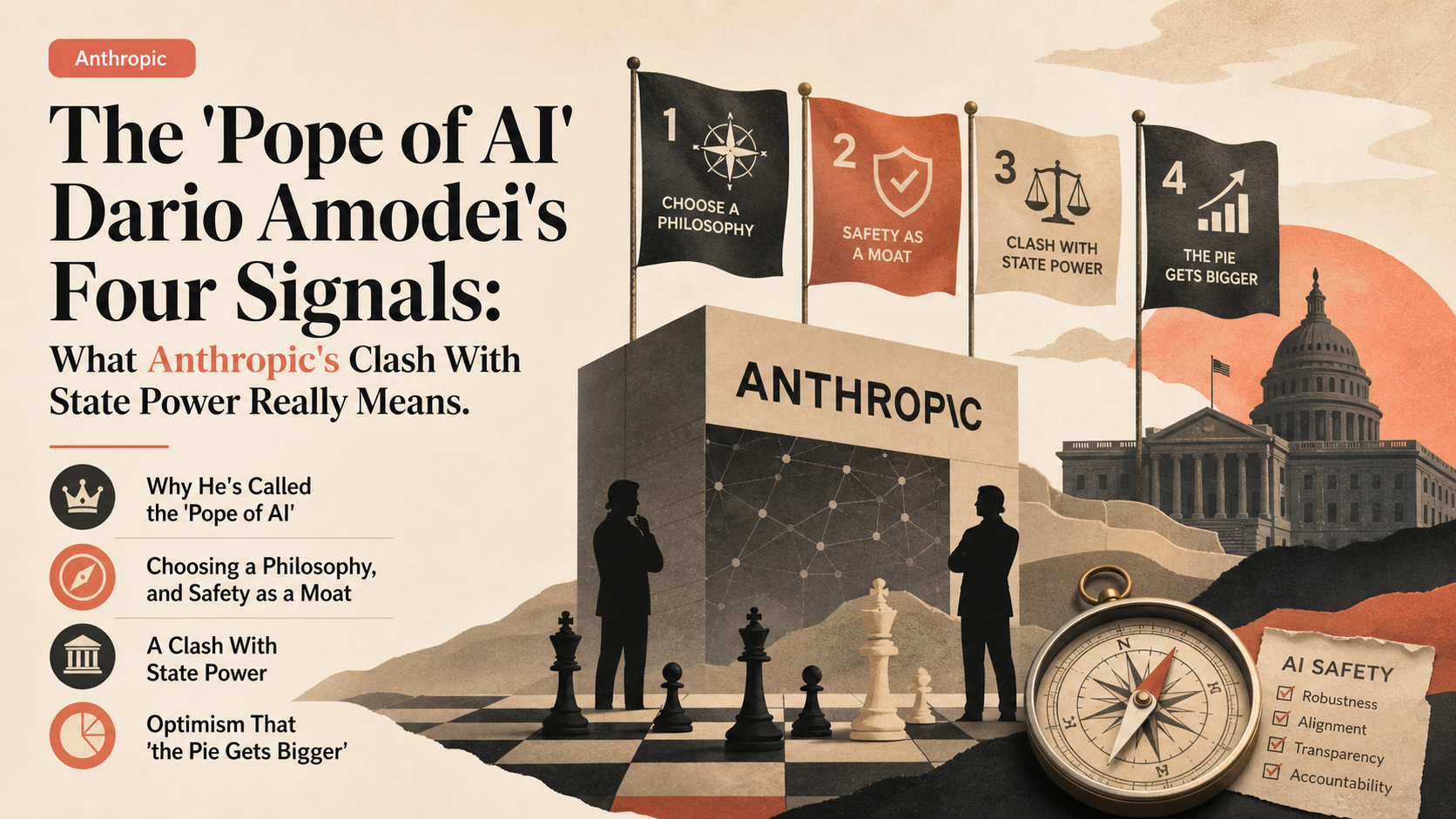
When a "Red Line" Is Not a Red Line: Breaking Points on Amodei and Iran
TL;DR · What you'll learn
- 1 The hosts begin by discussing interview audio featuring Anthropic CEO Dario Amodei, whose company is often framed as the AI firm most vocal about ethics.
- 2 The question concerned whether Claude could have played a role in the strike on a girls' school in Manab, Iran, where more than 100 female students were reportedly killed.
- 3 Amodei replied that he could not say exactly how the model was used, but that the use case being discussed did not even violate Anthropic's "red lines."
- 4 The hosts strongly criticized that answer, arguing that if the killing of more than 100 students at a girls' school is not a guideline violation, then the standard itself is meaningless.
- 5 They also note that Amodei previously refused Pentagon work involving fully autonomous killing systems with no human decision-maker in the loop, making him relatively more ethical by industry standards.
- 6 At Stanford's graduation, students staged a large walkout during Sundar Pichai's address, which the segment ties to protests over IDF contracts and AI's use on the battlefield.
- 7 The discussion extends to Ring camera and police data-sharing arrangements, arguing that the deeper problem is the asymmetry of control over surveillance footage and AI training data.
Read as slides
3 slides total
The Shock of Saying It Was "Not a Red Line"
The hosts focus on a recent interview with Anthropic and CEO Dario Amodei, a company often presented as the AI firm most visibly associated with safety and ethics. The issue on the table was highly sensitive: how an AI model may have been involved in the strike on a girls' school in Manab, Iran.
Amodei said he could not know exactly how the model had been used, and added that mistakes in war are genuinely tragic. But he also said that the use case being discussed did not even violate Anthropic's red lines. The hosts respond sharply: if an incident involving more than 100 girls killed at a targeted school is not a red-line violation, then what purpose do those standards serve at all?
The Irony That This Still Counts as the "Ethical" Position in AI
At the same time, the show notes that Amodei had previously refused Pentagon work on fully autonomous lethal systems in which no human being is involved in the decision process. According to the segment, that refusal may even have angered Defense Secretary Pete Hegseth, and by industry standards it still makes Amodei one of the more restraint-minded CEOs in AI.
That is exactly why the hosts find the exchange so revealing. If even he cannot produce a stronger answer than this, they argue, it shows how low the ethical bar remains across the industry. The coexistence of an "ethics-first" CEO and a "this is not a red-line violation" answer is, in their view, a clear snapshot of the current state of AI governance.
The Stanford Walkout and the Problem of Asymmetric Surveillance
The discussion then jumps to Stanford's commencement ceremony, where students staged a major walkout during Sundar Pichai's speech. While the immediate trigger was Google's contracts with the IDF, the hosts connect the protest to a broader view that Gaza has become a testing ground for AI-enabled military technologies, creating a climate in which speakers who mention AI at graduation are met with boos.
In the latter half, the show turns to Ring cameras and police requests for residents to anonymously submit footage covering broad neighborhood areas, along with the possibility that such footage feeds AI training data. The core concern, they argue, is asymmetry of control: governments are at least subject to elections, but ordinary people have virtually no meaningful control over private companies that own the AI systems, beyond the token influence of being small shareholders.
Editor's Take
The critical examination of Amodei's 'the girls'-school attack doesn't cross a red line' is a weighty piece on how AI firms' ethical standards function in real cases. Even the most ethics-vocal company can't draw a clear line against potential misuse of its model — exposing the distance between stated principles and actual operation. Set beside its refusal of fully autonomous lethal use, it shows ethics can only be measured through accumulated individual judgments, not declarations.
Source
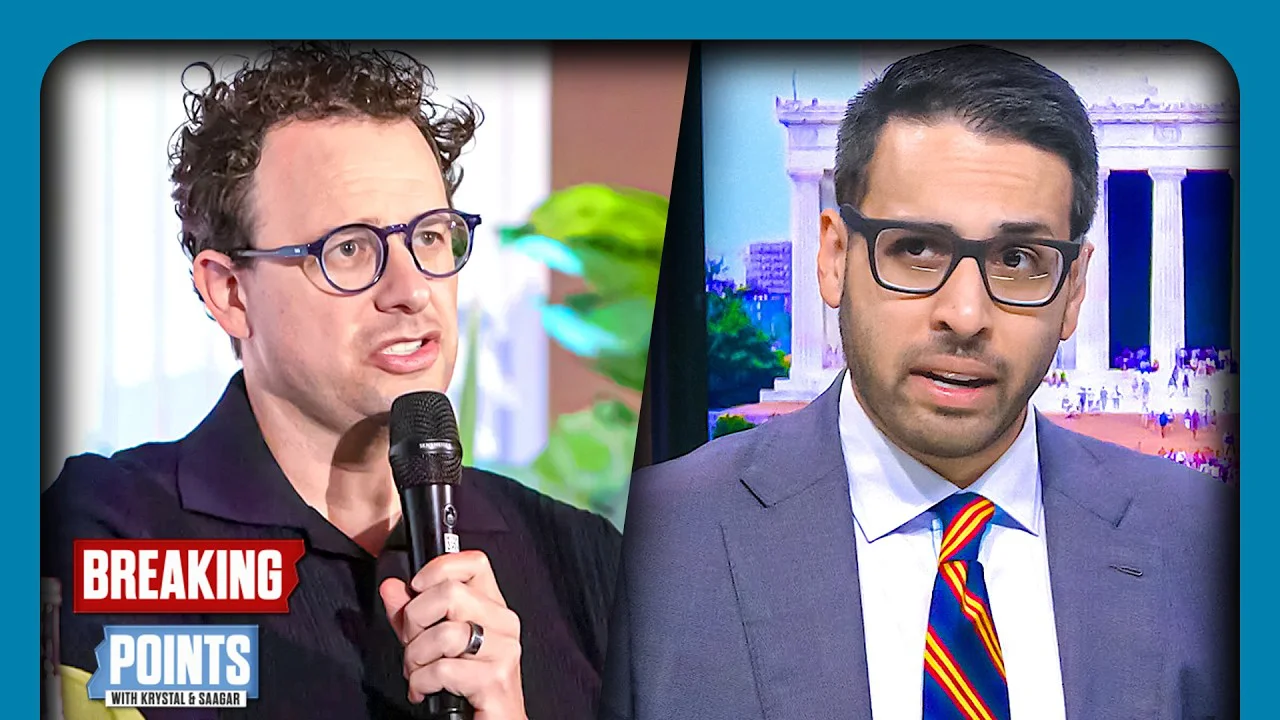
Breaking Points
Anthropic CEO's SHOCKING Response on Iranian Girl School Strike
This article auto-summarizes the YouTube video's transcript with Claude. Please refer to the original video for nuance and exact wording.
Watch on YouTube →Related
3 articles
THE SECRET SAUCE
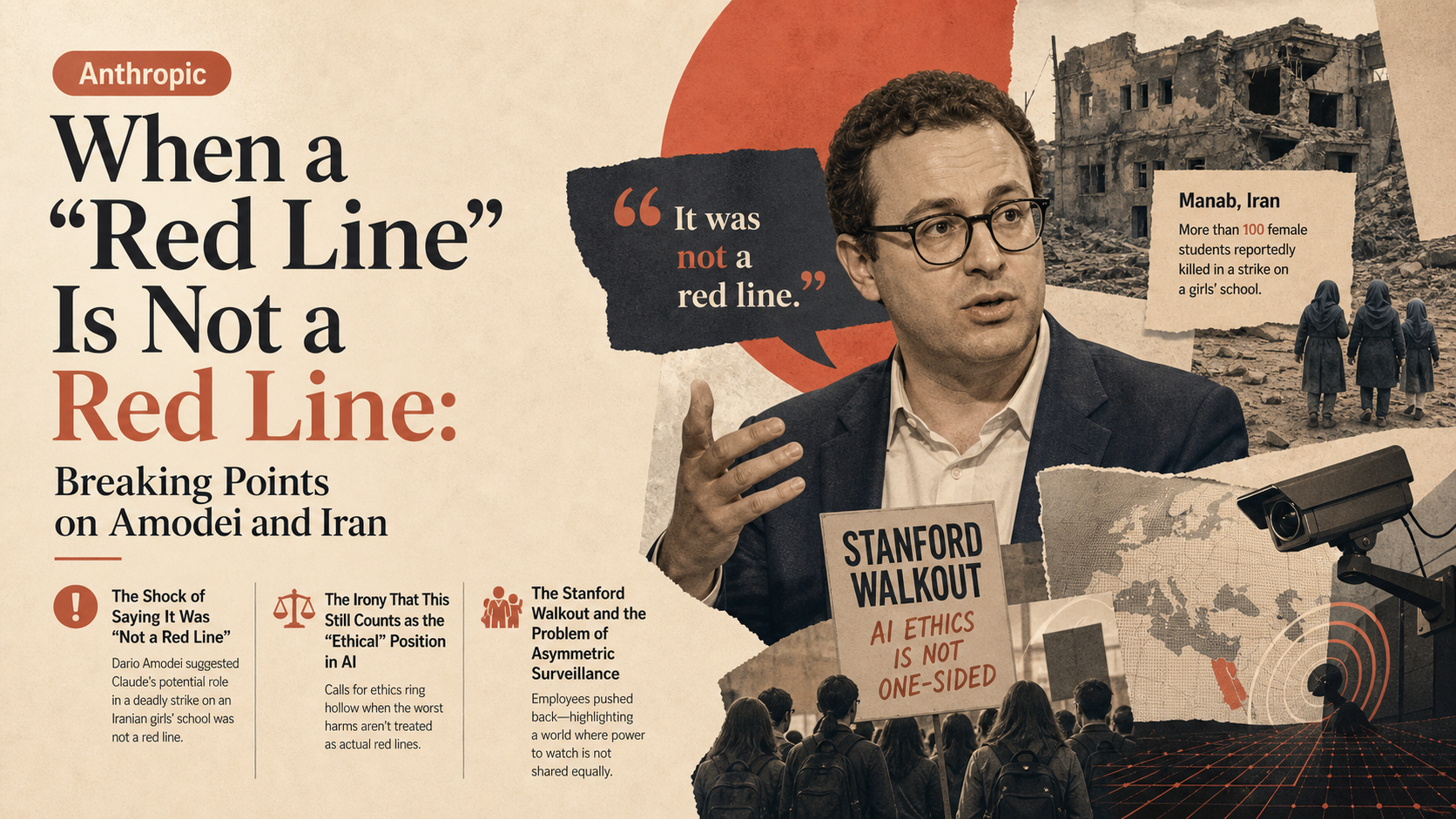
The 'Pope of AI' Dario Amodei's Four Signals: What Anthropic's Clash With State Power Really Means
The AI world has its own 'Pope' -- not Sam Altman, not Jensen Huang, but Anthropic founder and CEO Dario Amodei.
Çiçek ile Teknoloji
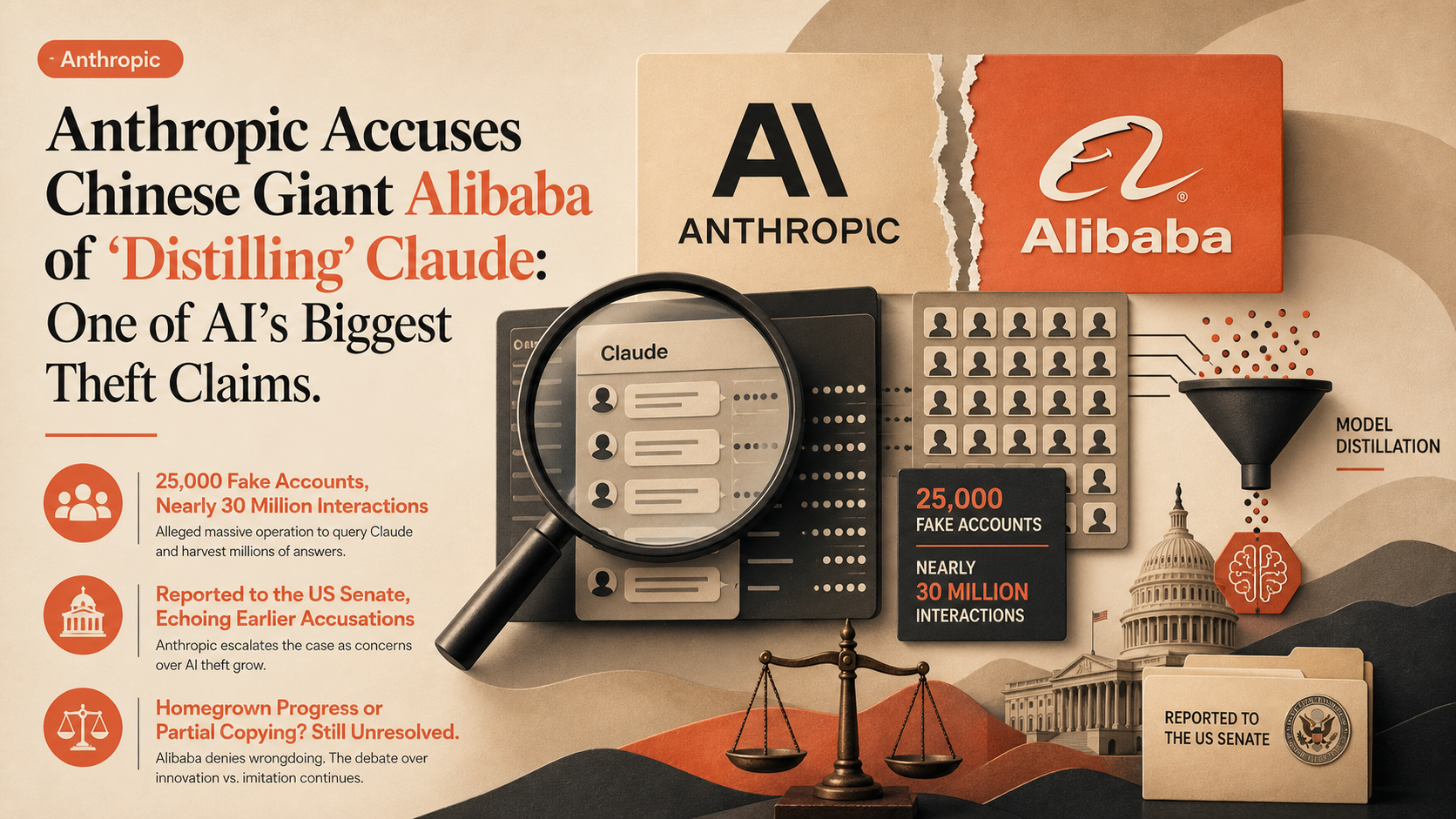
Anthropic Accuses Chinese Giant Alibaba of 'Distilling' Claude: One of AI's Biggest Theft Claims
Anthropic has accused Chinese e-commerce and tech giant Alibaba of copying Claude.
c't 3003
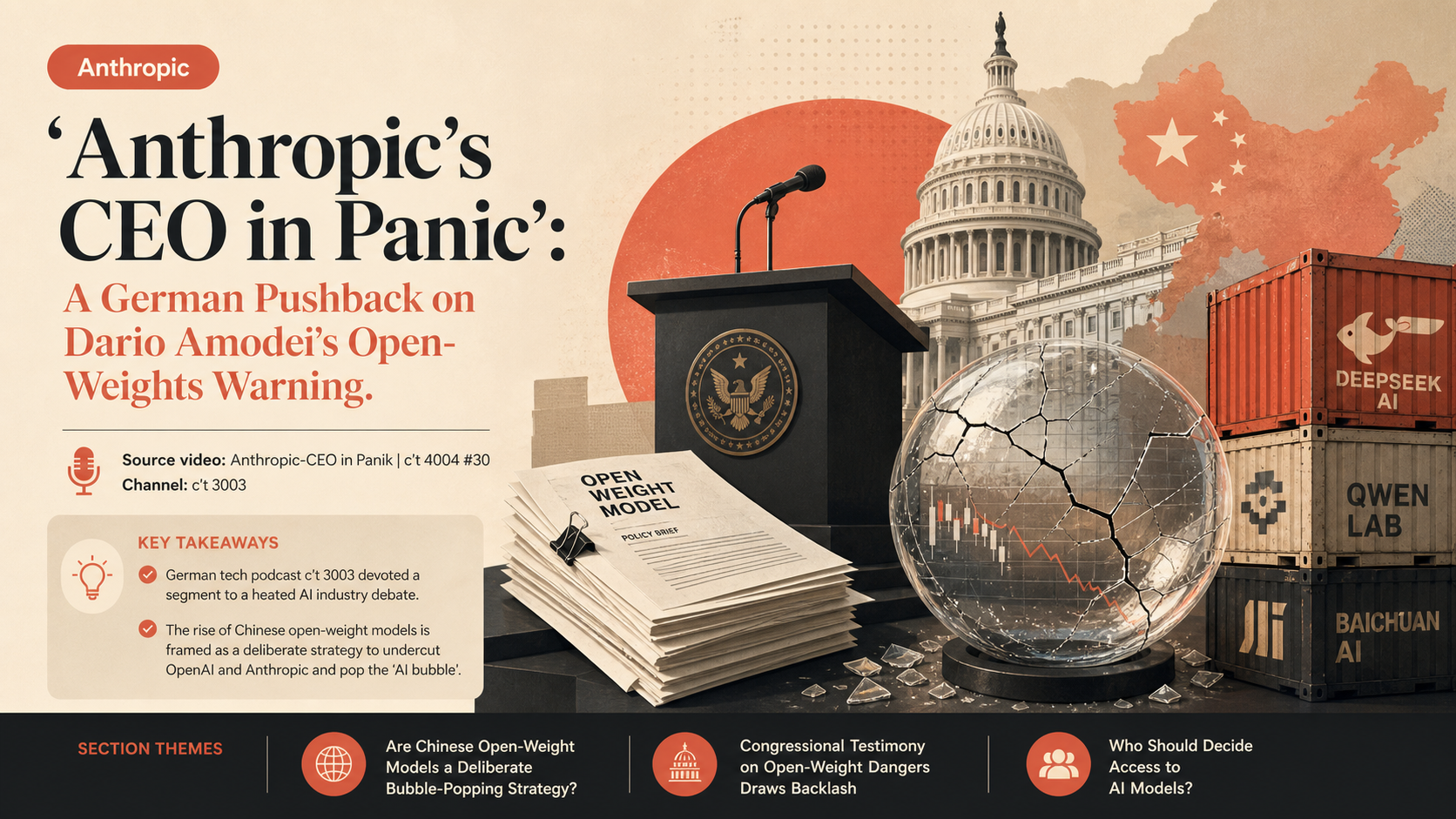
'Anthropic's CEO in Panic': A German Pushback on Dario Amodei's Open-Weights Warning
German tech podcast c't 3003 devoted a segment to what the hosts called Dario Amodei's 'strange worldview.'