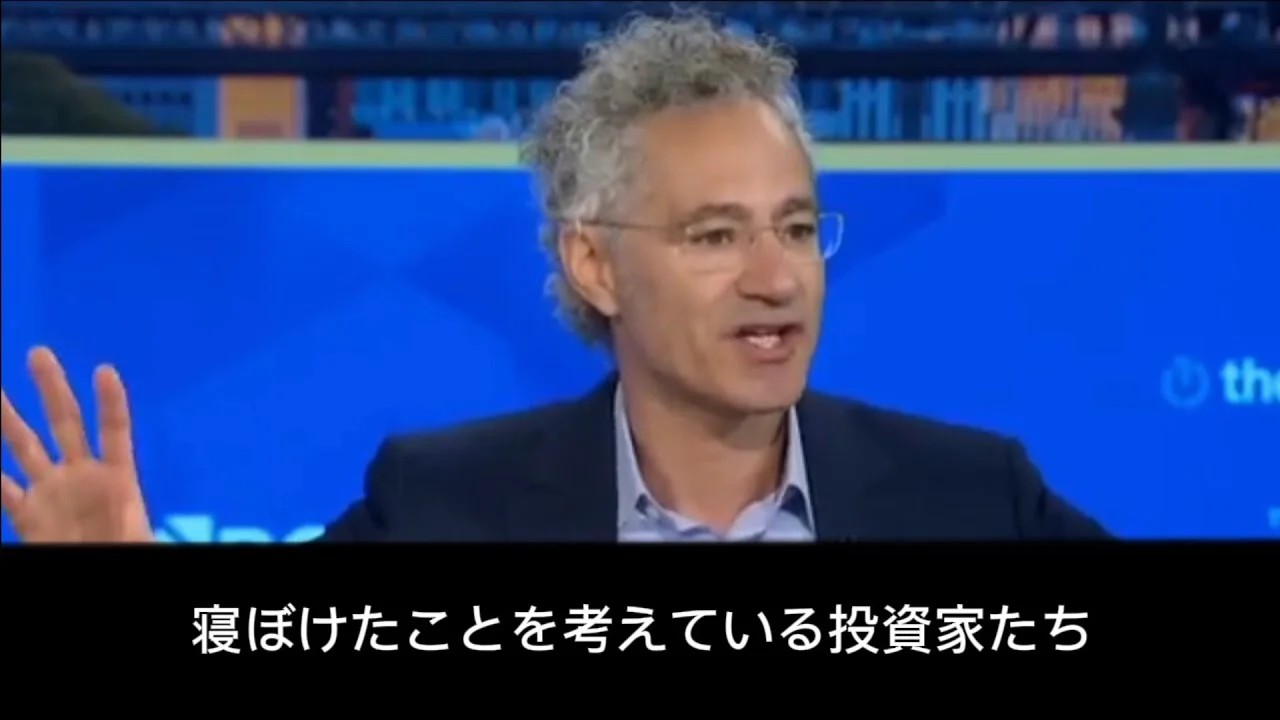
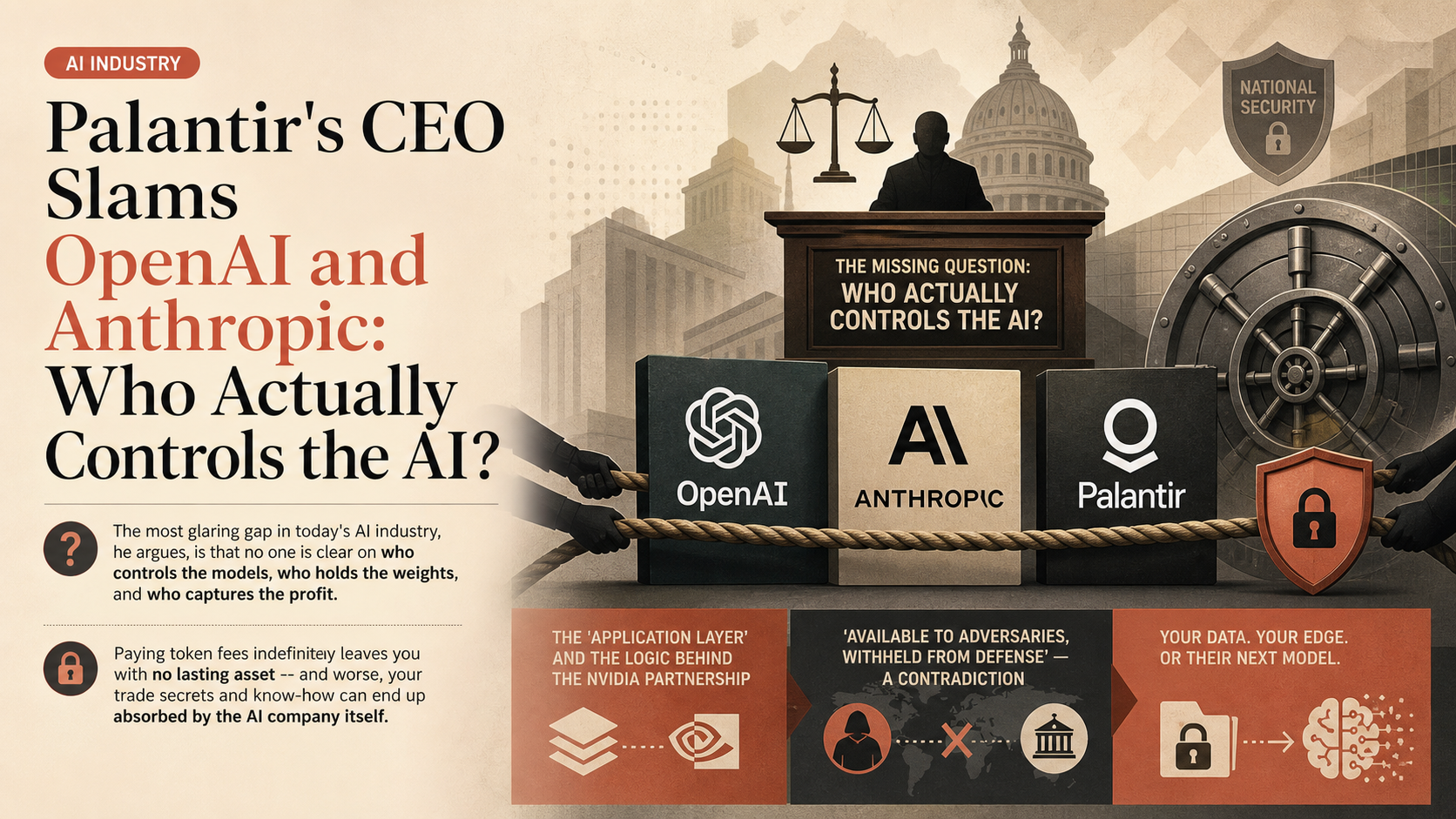
Palantir's CEO Slams OpenAI and Anthropic: Who Actually Controls the AI?
TL;DR · What you'll learn
- 1 The most glaring gap in today's AI industry, he argues, is that no one is clear on who controls the models, who holds the weights, and who captures the profit.
- 2 Paying token fees indefinitely leaves you with no lasting asset -- and worse, your trade secrets and know-how can end up absorbed by the AI company itself.
- 3 For government agencies or mission-critical corporate operations, using AI without clarity on where the data ends up is simply too risky.
- 4 Deploying AI in environments with strict rules requires an additional layer above the model itself -- an 'application layer' connecting AI to the operational reality on the ground.
- 5 The NVIDIA partnership is framed as a way to hand computing control back to customers -- keeping the model, the data, and above all their own competitive know-how out of anyone else's hands.
- 6 The company holds to a 'model-agnostic' philosophy, so customers can always switch to whichever AI model they prefer without being locked in.
- 7 He pointedly questions whether AI that's available to adversaries but withheld from one's own defense department can really be called 'safe.'
Read as slides
3 slides total
The Missing Question: Who Actually Controls the AI?
Palantir's CEO (as characterized in this commentary) argues the most glaring gap in today's AI industry is that no one is clear on who controls the models, who holds the weights, and who captures the profit. Paying token fees indefinitely leaves customers with no lasting asset -- and worse, their trade secrets and know-how risk being absorbed by the AI provider itself.
For government agencies or mission-critical corporate operations, he argues, using AI without absolute clarity on where the data ends up is simply too dangerous. Organizations should be using AI under their own control, not someone else's.
The 'Application Layer' and the Logic Behind the NVIDIA Partnership
Deploying AI in environments with strict operational rules requires something above the model itself -- an 'application layer' that connects AI to the ground truth: pulling in the right data and deciding how to judge it. The NVIDIA partnership is framed as a move to change exactly that dynamic.
That partnership, he says, hands computing control back to customers -- keeping the model, the data, and above all the competitive know-how that matters most out of anyone else's hands. He also emphasizes a 'model-agnostic' philosophy: customers should always be free to switch to whichever AI model they prefer, without being locked into any single vendor.
'Available to Adversaries, Withheld From Defense' -- a Contradiction
The discussion turns to what he sees as a glaring contradiction: frontier AI labs market their models as available to virtually anyone, yet hesitate to make them available to their own country's defense department. Being able to serve adversarial actors while withholding from the military protecting one's own nation raises the question of whether that model can genuinely be called 'safe.'
What's actually needed, he argues, is an absolute guarantee that a company's confidential information and know-how won't leak externally -- and no organization can afford to hand over the core of its business to a provider that can't offer that guarantee. This isn't framed as one company's opinion but as a matter touching the interests of an entire industry, even national assets.
Editor's Take
The core of this critique is a mismatch between who controls an AI system and who bears responsibility for it. The observation that token-based pricing leaves users with no residual asset, only the risk of leaking their own trade secrets, is a real concern for any organization deploying AI in mission-critical settings. A 'model-agnostic' design philosophy that avoids vendor lock-in is a practical risk hedge worth considering when selecting an AI vendor. The pointed contrast between frontier labs' eagerness to serve commercial customers and their reluctance to serve national defense also raises a fair question about how consistently 'safety' claims are actually applied. For any organization vetting AI vendors, this argues for weighing data sovereignty and contract-exit portability alongside price and raw capability.
Source
レバニキ
OpenAI, Anthropicダメ。パランティアCEO警告。知的資産全部食われる。ショボい企業ならまだしも国防は...
This article auto-summarizes the YouTube video's transcript with Claude. Please refer to the original video for nuance and exact wording.
Watch on YouTube →Related
3 articles
Fernando Ulrich
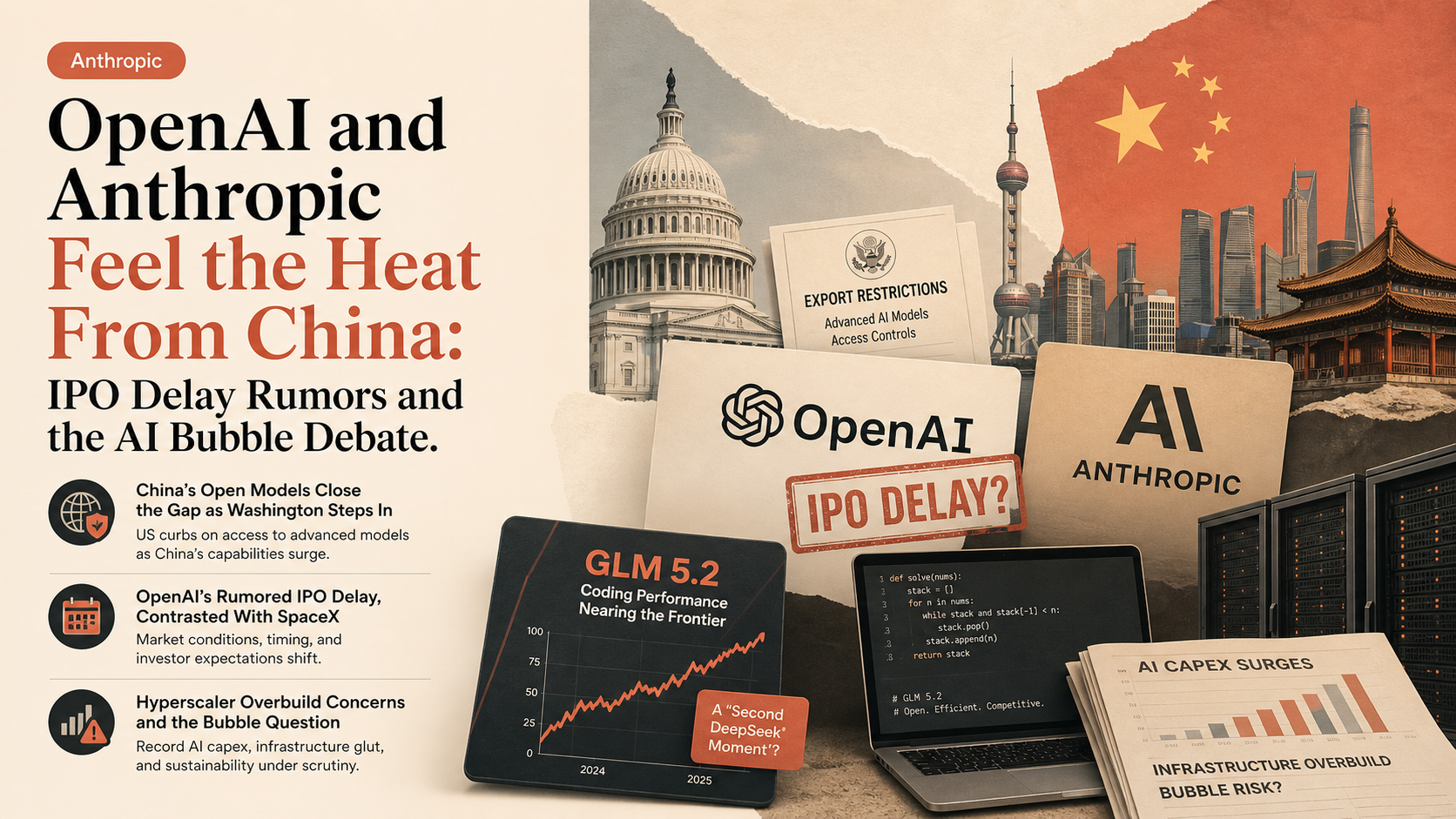
OpenAI and Anthropic Feel the Heat From China: IPO Delay Rumors and the AI Bubble Debate
As Chinese AI models rapidly close the gap with US models, the US government has also started intervening in who can access Anthropic and OpenAI's most advanced models.
Bloomberg Originals
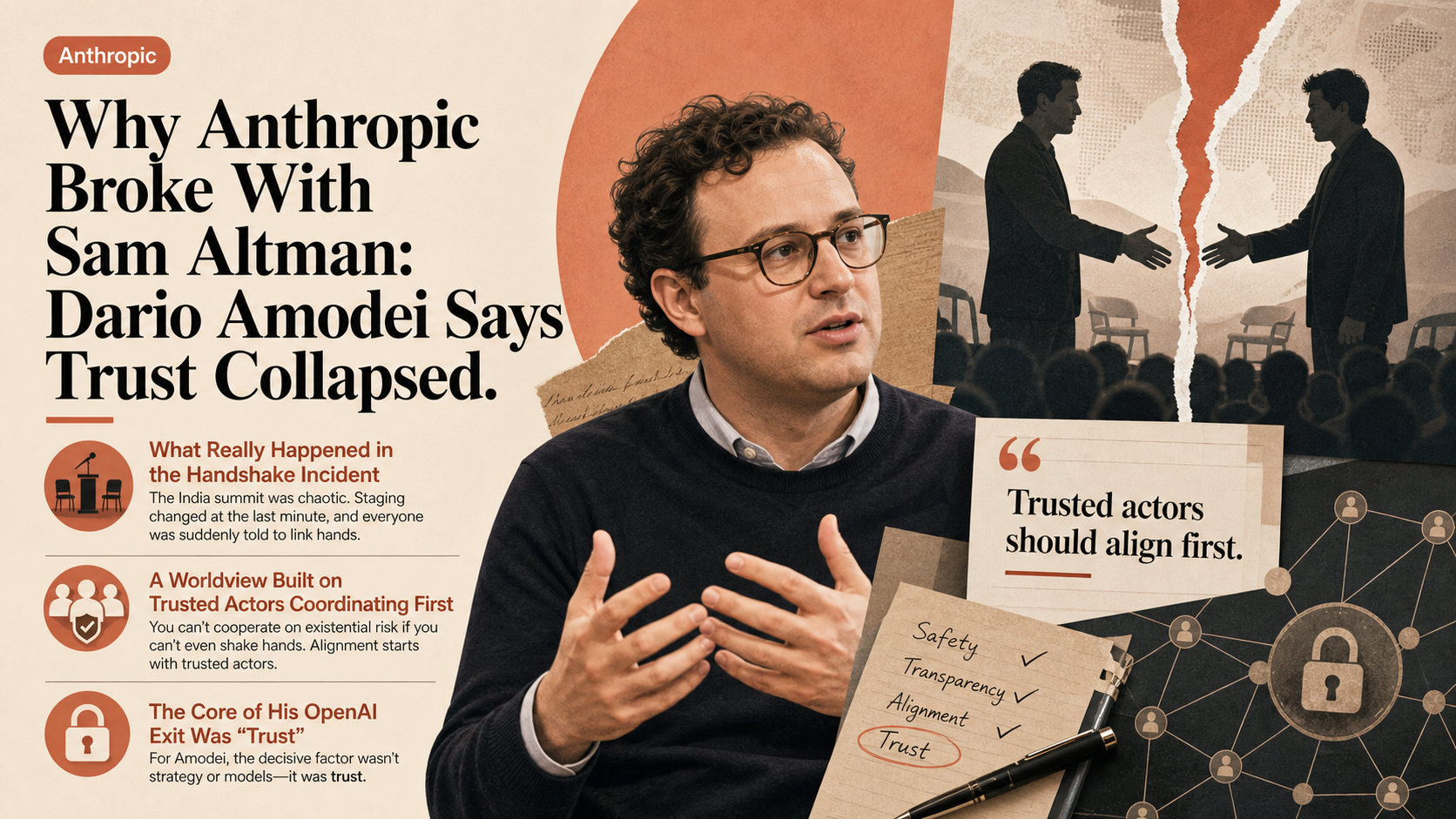
Why Anthropic Broke With Sam Altman: Dario Amodei Says Trust Collapsed
Asked about the moment in India when he appeared to refuse a handshake with Sam Altman on stage, Amodei said the summit was highly chaotic and everyone was suddenly told to link hands after last-minute staging changes.
Thinknomy®
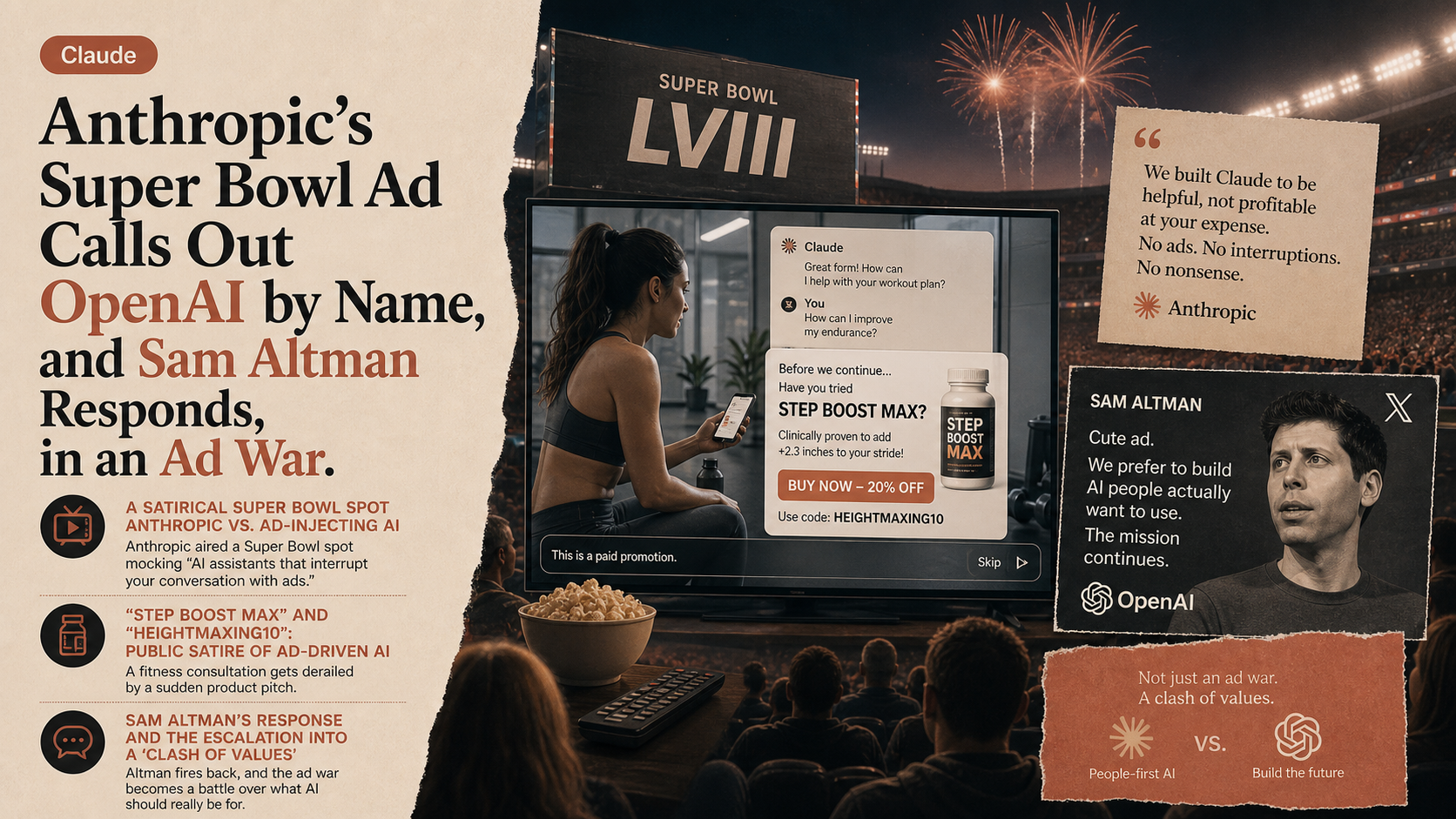
Anthropic's Super Bowl Ad Calls Out OpenAI by Name, and Sam Altman Responds, in an Ad War
Anthropic aired a Super Bowl spot mocking 'AI assistants that interrupt your conversation with ads.'